
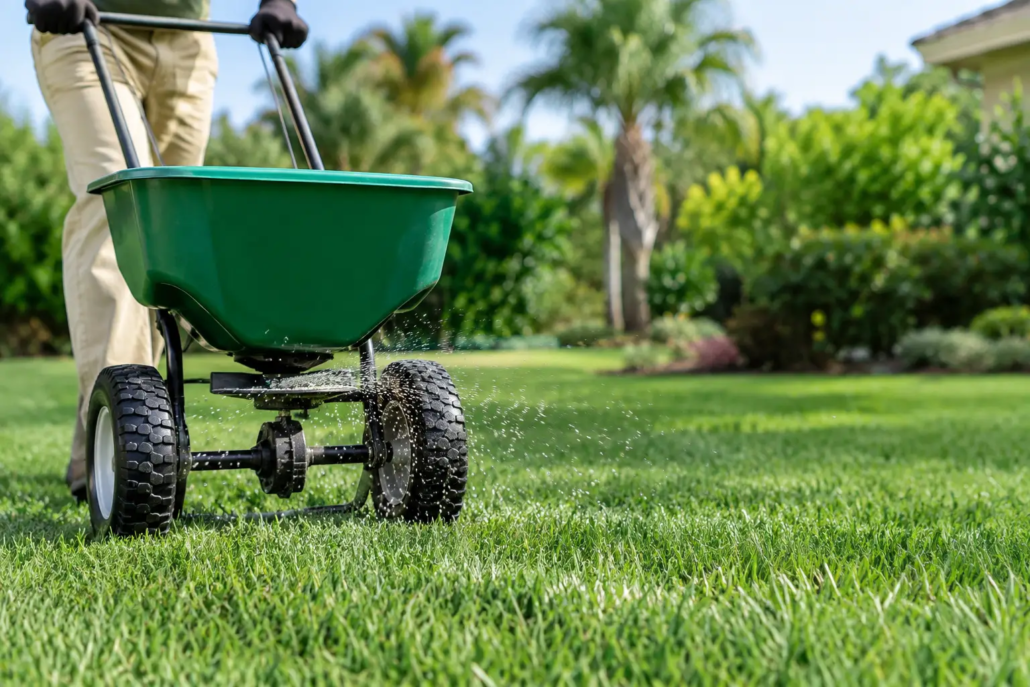
When to Fertilize Florida Lawns in St. Augustine
A lawn can look thin, pale, and tired after a Northeast Florida winter, but the first warm weekend is not always the right time to spread fertilizer. Knowing when to fertilize Florida lawns makes the difference between supporting healthy growth and pushing grass too early, wasting product, or feeding weeds instead of turf.
In St. Augustine, Jacksonville, and nearby communities, lawns deal with sandy soil, heat, heavy rain, humidity, and changing seasonal temperatures. That means a fertilizer schedule should follow what your grass is actually doing, not just what the calendar says. A customized plan also protects your investment in mowing, irrigation, weed control, and landscaping.
When to Fertilize Florida Lawns in Northeast Florida
For most warm-season lawns in St. Augustine and Northeast Florida, the first fertilizer application should happen after the grass has fully greened up and is actively growing in spring. That is commonly sometime between late March and May, depending on the weather and your grass type.
The key is active growth. If nighttime temperatures are still cool, the lawn is mostly brown, or new green growth is limited, wait. Fertilizing dormant or barely waking grass does not produce the thick, even lawn homeowners want. It can also encourage weeds that are ready to take advantage of available nutrients.
Once the lawn is growing steadily, a properly timed feeding helps it fill in, recover from winter stress, and build color before summer heat arrives. In most cases, lawns receive additional applications through the growing season, with timing adjusted for rainfall, mowing habits, irrigation, and the type of turf in the yard.
A practical seasonal schedule
Spring is the time to begin, but avoid rushing. After full green-up, a measured fertilizer application can support new roots and healthy blades.
Summer is often the most demanding season for Florida lawns. Grass grows quickly, rain can wash nutrients through sandy soil, and disease pressure rises when heat and humidity stay high. Depending on your lawn’s condition and the fertilizer used, another application may be appropriate in early or midsummer. During rainy stretches, careful product selection and application matter even more.
Early fall can be a useful final feeding window while warm-season grass is still actively growing. It helps the lawn maintain strength heading into cooler weather. Late-fall and winter fertilizer applications are usually not the answer for a Northeast Florida lawn that has slowed down or gone dormant.
Local fertilizer rules can also affect what can be applied and when. Regulations vary by municipality and may change, particularly around nitrogen use during periods when runoff risk is high. A local lawn professional can help you choose an approach that supports your lawn while respecting applicable requirements.
Your Grass Type Changes the Fertilizer Timing
Not every Florida lawn grows at the same pace. A fertilizer plan that works for one yard may be too aggressive or poorly timed for the house next door.
St. Augustinegrass is common throughout St. Augustine and Jacksonville because it creates a full, attractive lawn in heat and humidity. It benefits from feeding during active growth, but overfertilizing can lead to excess thatch, weak growth, and more disease concerns. St. Augustinegrass also responds poorly when mowing is too short, so proper mowing height should go hand in hand with fertilizer care.
Zoysiagrass generally grows more slowly and may need less fertilizer than St. Augustinegrass. It can create a dense, polished look, but its slower growth means excessive feeding will not necessarily improve results. Bermuda grass grows aggressively in full sun and typically has a higher nutrient demand while actively growing. Bahia grass is hardy and practical for larger, lower-maintenance properties, but it should not be treated like a high-input turf lawn.
Centipede grass requires the most restraint. It does not need heavy fertilizer applications, and too much nitrogen can create real problems. If you are unsure what grass you have, applying fertilizer based on a generic bag schedule is a gamble. Identifying the turf first helps prevent costly mistakes.
Why Weather Matters More Than a Fixed Date
Florida weather does not follow a perfect schedule. One spring may warm up early, while another brings late cold snaps. A wet summer can make a lawn grow fast, then a dry period can put it under stress just a few weeks later.
Fertilizer should not be applied immediately before a heavy downpour. Strong rain can move nutrients away from the root zone and toward storm drains, ponds, and waterways. It is better to apply when the lawn is dry and a light watering or normal irrigation can help move the material into the soil afterward.
Avoid fertilizing a lawn that is drought-stressed, newly installed, or struggling with a disease issue until the underlying problem is addressed. Fertilizer is not a cure-all. Brown areas can come from irrigation failures, chinch bugs, fungus, compacted soil, shade, pet damage, or poor drainage. Adding nutrients to the wrong problem often delays the real solution.
Choose the Right Fertilizer, Not Just More Fertilizer
A greener bag label does not guarantee a greener lawn. Homeowners should look for a fertilizer suited to Florida turf, ideally with slow-release nitrogen that feeds grass gradually rather than forcing a fast flush of growth.
Fast growth may sound appealing, but it can mean more mowing, greater disease risk, and a lawn that becomes dependent on constant correction. A balanced approach supports steady color and stronger roots without creating a weekly race to keep up with the grass.
Soil testing is especially valuable in our sandy local soils. A test can reveal whether your lawn actually needs nitrogen, potassium, phosphorus, lime, or micronutrients. Phosphorus should not be applied simply because it is included in a standard fertilizer blend. Many established lawns do not need it, and using only what the soil calls for is better for your yard and the local environment.
Iron can sometimes improve color without pushing excessive blade growth, particularly when grass is pale but otherwise healthy. Still, iron will not replace a complete fertilizer program when the lawn is truly nutrient-deficient. It is one tool, not a shortcut.
Fertilizer Works Best With Proper Lawn Care
A healthy lawn is built through several consistent services, not one application. Correct mowing height helps grass shade the soil and develop deeper roots. Reliable irrigation prevents drought stress without keeping the yard constantly wet. Weed control reduces competition for nutrients, while edging and routine mowing keep the finished property looking clean and cared for.
If water pools in low areas or certain zones stay dry, fertilizer alone will not deliver even results. Irrigation repairs and adjustments can make a bigger difference than another feeding. Likewise, compacted soil may benefit from aeration when conditions and grass type make it appropriate. The goal is to create conditions where the roots can use nutrients effectively.
Watch for signs that your lawn needs attention: uneven color, thinning turf, slow recovery after mowing, recurring weeds, bare spots, or areas that never seem to match the rest of the yard. These are reasons to inspect the entire lawn care routine instead of automatically increasing fertilizer.
Get a Schedule Built for Your Yard
The best answer to when to fertilize Florida lawns is not one date printed on a calendar. It is a schedule based on your grass type, the time of year, recent weather, soil condition, irrigation performance, and the way you want your property to look.
For homeowners who do not want to guess, American Blade Lawn Care can evaluate the condition of your turf and recommend practical care that fits your St. Augustine-area property. A healthier lawn starts with good timing, but it stays healthy when every part of the yard receives the attention it needs.
Before the next fertilizer application, take a close look at how your grass is growing, how your irrigation is performing, and what the forecast has in store. That small check can protect your lawn, your curb appeal, and the work you have already put into your outdoor space.


Leave a Reply
Want to join the discussion?Feel free to contribute!