
Seasonal Yard Cleanup Checklist for Florida Homes
A Northeast Florida yard can go from neat to overgrown fast. One week of summer rain can push grass, weeds, and hedges ahead of schedule, while a windy storm can leave branches and debris across the lawn overnight. A practical seasonal yard cleanup checklist helps St. Augustine homeowners stay ahead of those changes, protect their landscape investment, and keep curb appeal from becoming a weekend-long project.
Florida does not follow the same cleanup calendar as a northern yard. There is no long winter shutdown, and leaf drop, weeds, pests, and irrigation needs can show up at different times. The goal is not to perform every task on a fixed date. It is to inspect your property at the right points in the year and address problems before they affect lawn health or become more expensive to fix.
Spring seasonal yard cleanup checklist
Spring is the reset point for most Northeast Florida properties. As temperatures rise and turf begins actively growing again, small winter issues become easier to see: thin grass, compacted soil, dead plant material, damaged irrigation heads, and beds that have lost their clean edge.
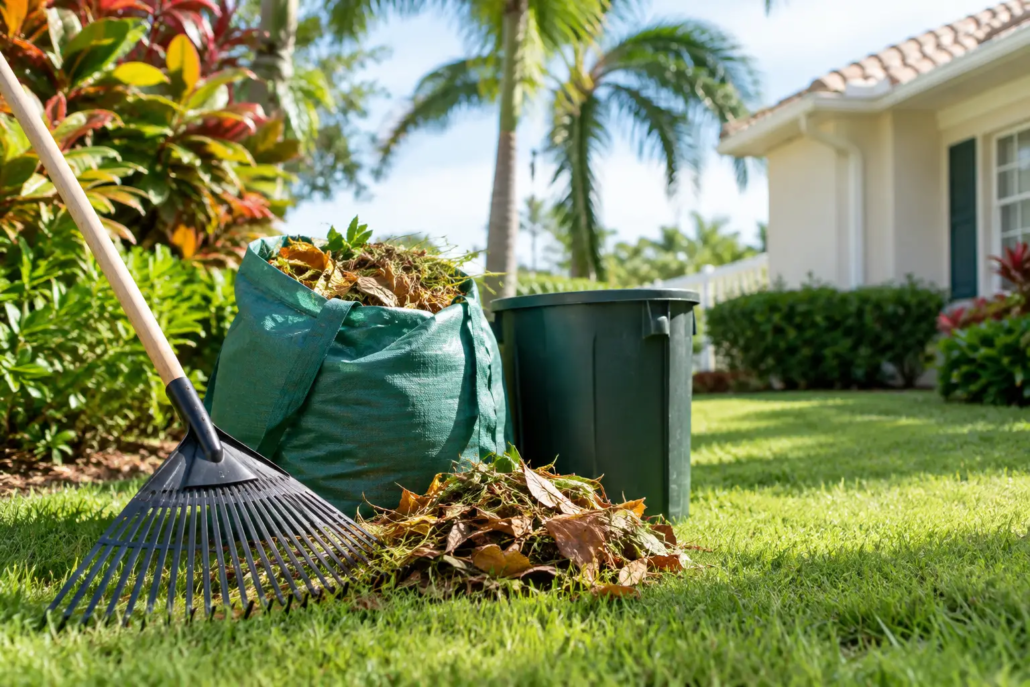
Start by walking the full property, including fence lines, around AC units, driveway edges, and the areas behind shrubs. Look for fallen limbs, leftover palm fronds, storm debris, and accumulated leaves. Remove this material before mowing. Debris blocks sunlight, holds moisture against the grass, and gives pests a place to hide.
Then focus on the lawn and landscape beds:
- Mow the lawn at the right height for its grass type and avoid cutting off too much at once.
- Edge sidewalks, driveways, curbs, and planting beds to restore a finished appearance.
- Pull or treat weeds before they seed and spread through thin turf or mulch beds.
- Prune dead, broken, or crossing branches from shrubs and small trees.
- Remove old mulch that has washed into grass, piled against plant trunks, or begun to break down into a dense layer.
- Refresh mulch where needed to improve bed color, reduce weed pressure, and help conserve moisture.
- Check irrigation zones one at a time for broken heads, clogged nozzles, leaks, poor coverage, and overspray onto pavement.
Spring is also a smart time to consider aeration if the lawn feels hard underfoot, water puddles after rain, or grass is thinning in high-traffic areas. Aeration can help relieve compaction, but timing matters by turf type and current lawn condition. A yard with active weed problems or irrigation issues may need those concerns addressed first.
Summer cleanup is about drainage, growth, and storm debris
Summer is the busiest season for Florida landscapes. Heat, humidity, afternoon storms, and long growing days create ideal conditions for grass and weeds, but they also expose weak drainage, poor irrigation coverage, and neglected trimming quickly.
Keep mowing and edging on a dependable schedule. Letting grass get too tall between cuts may seem harmless, but it often means removing too much blade length at the next service. That can stress the lawn during extreme heat and leave it looking scalped or uneven. Regular mowing supports a cleaner appearance and encourages more consistent growth.
After heavy rain or tropical weather, inspect the property before the next mow. Pick up branches and loose debris, clear drains and swales, and look for standing water near foundations, patios, or low lawn areas. If water repeatedly pools in the same place, it is worth investigating the cause rather than simply waiting for it to dry. Grading, compaction, drainage paths, and irrigation runoff can all contribute.
Summer is also when hedges can get out of hand. Light, routine trimming keeps shrubs tidy without removing too much green growth at once. Avoid aggressive pruning when plants are already under heat stress, and do not block airflow around windows, outdoor equipment, or walkways.
Pay close attention to irrigation during this season. Rainfall can be frequent but uneven. One side of the property may receive a soaking storm while another remains dry under tree cover. A functioning system should apply water evenly and only when needed. Running sprinklers during or immediately after a heavy rain wastes water and may encourage fungal issues.
Fall cleanup keeps beds and turf from getting buried
Fall in St. Augustine and Jacksonville is not a leaf-free season. Oaks, palms, magnolias, pine needles, and other plant debris can continue dropping well into cooler months. The volume may be gradual, but leaving it in place creates a dull, neglected look and can smother sections of turf.
Rake or blow leaves out of lawn areas, bed edges, gutters, patios, and drainage routes. Pine needles deserve special attention because they collect in thick mats and can hold moisture against the soil. They are not always a problem in natural areas, but they should not be allowed to cover grass or crowd the base of landscape plants.
This is a good season to redefine beds and evaluate the overall design of the yard. Are plants overgrown for the space? Is mulch fading or washing away? Are there bare areas that could benefit from new plantings, stone borders, or improved edging? A cleanup can reveal opportunities to improve the property rather than simply maintain it.
Use fall to inspect hard surfaces, too. Driveways, walkways, pool decks, and patios often develop mildew, algae, and dark staining after a wet summer. Professional power washing can restore a cleaner appearance and reduce slippery buildup, especially in shaded areas. The right approach depends on the surface material, since high pressure is not appropriate for every paver, siding, or painted finish.
Winter yard care still matters in Northeast Florida
Florida winters are milder, but a yard still needs attention. Grass growth slows, some plants become more sensitive to cold, and unexpected freezes can damage tender landscape material. This is the time to reduce unnecessary mowing, clear seasonal debris, and prepare irrigation for changing temperatures.
Keep the lawn free of leaves and branches, but do not mow on a calendar just because it is time. Mow when growth calls for it, using sharp blades and a sensible cutting height. Overcutting dormant or slow-growing grass can leave the lawn vulnerable.
Before a freeze, make sure irrigation settings match local conditions. Plants may need protection, but running irrigation blindly is not a substitute for a plan. Covering sensitive plants, moving container plants to sheltered locations, and removing damaged material after cold weather are often more effective steps. Wait until the risk of additional cold has passed before performing major pruning on freeze-damaged shrubs.
Winter is also useful for taking care of projects that are easier to see when growth slows down. Irrigation repairs, bed renovations, landscape design updates, hardscape improvements, and cleanup of neglected corners can be completed before spring growth returns.
What homeowners often miss during cleanup
The most visible work is usually mowing, blowing, and trimming. The details behind the appearance are what make a cleanup last. A clogged irrigation nozzle can create a dry brown patch that looks like a grass problem. Mulch piled against a tree trunk can hold excess moisture where it does not belong. Weeds growing along a fence line can spread into the lawn before they are noticed.
Also check for overgrown plants touching the home, blocked outdoor drains, loose landscape borders, exposed roots, and soil erosion near downspouts. These problems may not affect curb appeal immediately, but they can turn into larger maintenance issues after a season of storms.
For rental properties, second homes, or busy households, consistency matters more than waiting for the yard to look bad. A regular service plan can keep lawn growth, weeds, edging, hedge trimming, and debris under control while making it easier to spot irrigation or drainage concerns early.
When to call in a local lawn care team
A seasonal cleanup is manageable when the work is limited to light debris, routine trimming, and bed touch-ups. It becomes a different job when the lawn is overgrown, irrigation is failing, heavy storm debris is present, or the landscape needs a full reset. Those situations often require the right equipment, disposal plan, and local knowledge of Florida turf and plant conditions.
American Blade Lawn Care provides customized yard cleanup and ongoing property care for homeowners who want one dependable team handling the details. Whether your yard needs a one-time cleanup before guests arrive or recurring maintenance that keeps it looking cared for year-round, the right plan should match your grass, soil, irrigation, and the way you use your outdoor space.
Give your property a quick walk after the next storm or seasonal shift. The small issue you notice now – a buried drain, a broken sprinkler head, a spreading weed patch, or a bed that needs fresh mulch – is usually far easier to handle before it becomes the next big yard project.


Leave a Reply
Want to join the discussion?Feel free to contribute!