
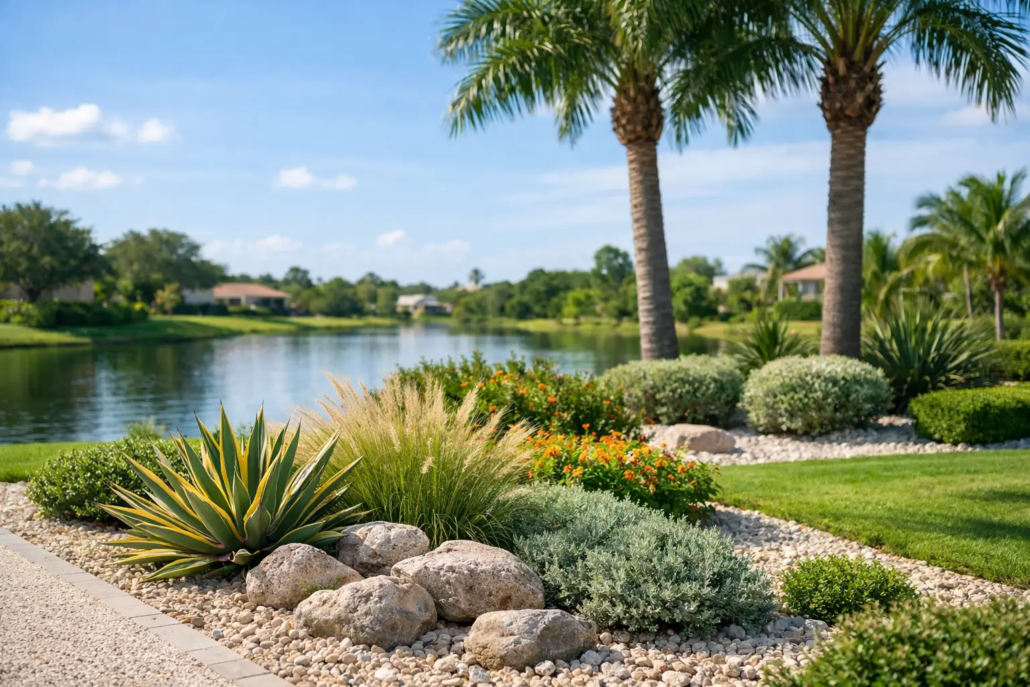
Low Maintenance Florida Landscaping That Lasts
A beautiful St. Augustine yard should not require you to spend every Saturday pulling weeds, replacing scorched plants, or dragging hoses across the lawn. The best low maintenance Florida landscaping works with our heat, humidity, sandy soil, heavy rain, and long growing season instead of fighting against them. When the right plants, mulch, irrigation, and lawn care plan come together, your property can stay clean, healthy, and inviting with far less ongoing effort.
The goal is not a yard that never needs attention. Every Florida landscape needs seasonal care. The goal is to eliminate the expensive, time-consuming problems that come from poor plant choices, thin mulch, drainage issues, and irrigation systems that are not matched to the property.
Start With a Landscape That Fits Northeast Florida
A low-maintenance yard begins with a realistic plan for the conditions around your home. St. Augustine and Jacksonville properties can vary widely. One yard may have deep shade from mature oaks, while another gets full afternoon sun and salt-laden coastal air. Some areas hold water after summer storms, while others dry out quickly because of sandy soil.
That is why copying a landscape design from another neighborhood, or another state, often leads to frustration. Plants that look great at installation can struggle within a season if they are planted in the wrong amount of sun or soil moisture. A practical design considers how the property actually performs through Florida’s wet summers, dry spells, and occasional cold snaps.
Before adding plants, look at the basics: where water drains, where irrigation reaches, how much sun each bed receives, and how much room plants will need at maturity. Giving shrubs enough space from the beginning prevents constant pruning later. It also improves airflow, which can reduce disease pressure in humid weather.
Choose Plants That Do Not Need Constant Rescue
The easiest landscape beds use plants adapted to Florida conditions and grouped by similar watering needs. Native and Florida-friendly plants are often a smart choice because they can handle local weather once established. They still need proper installation and watering during their first growing season, but they are less likely to demand constant replacement afterward.
For sunny areas, options such as firebush, muhly grass, coontie, lantana, pentas, and some varieties of dwarf yaupon holly can provide color and structure without the workload of high-maintenance annual beds. In shadier spaces, cast iron plant, ferns, liriope, and certain palms may be a better fit. The right choice depends on the specific site, not just what is popular at the garden center.
Use flowering annuals sparingly if low upkeep is the priority. They can add a strong pop of color near an entryway, mailbox, or patio, but they usually need more frequent watering, feeding, deadheading, and replacement. A better long-term approach is to create the foundation with dependable shrubs, ornamental grasses, and groundcovers, then add seasonal color only where it will have the most visual impact.
Avoid planting fast-growing shrubs in small spaces. They may look neat on installation day, but a hedge that outgrows its bed will need repeated trimming to keep doors, windows, walks, and driveways clear. Choosing a plant with a mature size that fits the location saves time and keeps the landscape looking more natural.
Mulch Does More Than Make Beds Look Finished
Fresh mulch is one of the simplest ways to make a property look cared for, but its value goes well beyond curb appeal. A properly mulched bed helps hold moisture in the soil, moderates soil temperature, reduces weed growth, and protects plant roots from mower and trimmer damage.
For most landscape beds, a layer around two to three inches deep is enough to do the job. Too little mulch leaves bare soil exposed. Too much can trap excess moisture around roots and create problems for shrubs and trees. Mulch should also be kept away from the base of trunks and plant stems rather than piled against them.
Pine bark, pine straw, and hardwood mulch can all work well in Northeast Florida when installed correctly. The best option depends on the style of your property, the slope of the bed, and how often you want to refresh it. Pine straw has a natural look and works well around many trees, while mulch can create a crisp, finished appearance around foundation beds and walkways.
A clean edge between lawn and mulch beds is just as important. Defined edges keep turf from creeping into planting areas and make weekly mowing and trimming faster. This is a small detail that gives the whole property a sharper, more intentional appearance.
Build Irrigation Around Plant Needs, Not a Set Schedule
Irrigation is where many Florida landscapes either thrive or become expensive to maintain. Watering too little stresses grass and shrubs. Watering too much can encourage fungus, shallow roots, weeds, and unnecessary water bills. A low-maintenance system should deliver water efficiently and be adjusted as the weather changes.
Turf areas generally need a different watering approach than landscape beds. Spray heads may work well for lawn coverage, while drip irrigation can be a better choice for shrubs and plants because it delivers water closer to the root zone. Drip systems can reduce waste from overspray onto driveways, patios, and exterior walls.
Rain sensors, working controllers, and regular inspections matter more than many homeowners realize. A broken head can leave one section of lawn dry while flooding another. A controller set for the rainy season may waste water if it continues running after frequent summer storms. Even a well-designed landscape will struggle if the irrigation system is not maintained.
If you notice dry patches, standing water, unusually high water use, or plants declining in one area of the yard, it is worth having the system checked before replacing plants. Often, the real problem is coverage, pressure, drainage, or a hidden irrigation repair need.
Keep the Lawn Simple and Healthy
A low-maintenance landscape does not mean ignoring the lawn. In fact, a healthy lawn reduces the work around it by limiting bare spots where weeds can take over. St. Augustine grass is common in this area, but it needs a maintenance plan that respects its growing habits, sun exposure, and soil conditions.
Mowing at the proper height, using sharp blades, and avoiding overly aggressive cutting are essential. Cutting grass too short can weaken it during summer heat and make it more vulnerable to weeds and disease. Routine edging also keeps grass out of beds and off hard surfaces, making the yard look maintained even between larger projects.
Fertilization, weed control, and aeration should be based on the lawn’s condition rather than treated as one-size-fits-all services. A shaded lawn may need a different strategy than a sunny lawn. Areas with compacted soil or poor root growth may benefit from aeration, while thin turf may point to irrigation, pest, drainage, or shade concerns. The right answer depends on what is happening below the surface, not just what the grass looks like from the street.
Use Hardscapes to Reduce High-Care Areas
Not every part of the property needs to be grass or planting bed. A well-placed paver path, gravel section, stone border, patio expansion, or defined seating area can reduce mowing and create a more useful outdoor space. Hardscape improvements are especially helpful in areas where turf repeatedly struggles because of heavy shade, foot traffic, or poor drainage.
The trade-off is that hardscapes still need thoughtful installation. Poor grading can direct water toward the house, and the wrong materials can shift or stain over time. When planned correctly, though, these features reduce maintenance while improving how you use the yard.
A small gravel area around a fire pit, a paver walkway from the driveway, or a clean border around a mailbox can make a home feel more finished without adding another bed full of plants to water and trim. The best projects solve a problem and add curb appeal at the same time.
Low Maintenance Florida Landscaping Needs Seasonal Attention
Florida landscapes grow nearly year-round, so “low maintenance” should never be confused with “no maintenance.” Mulch needs refreshing, hedges need occasional shaping, weeds need control, and irrigation needs adjustment. The difference is that a well-planned property requires predictable, manageable care instead of repeated rescue work.
A practical schedule usually includes routine mowing and edging during active growth, periodic hedge trimming, weed control, mulch refreshes, and irrigation checks before minor issues become major repairs. Power washing can also keep driveways, walkways, and patios from looking stained after humid weather and heavy rain.
American Blade Lawn Care helps homeowners build customized plans around their grass type, soil conditions, irrigation needs, and landscape goals. Whether your property needs a few smart upgrades or a complete redesign, the right local care can save you time while protecting the investment you have made in your home.
A yard should be a place you enjoy seeing when you pull into the driveway, not another weekend project waiting for you. Start with the areas causing the most work, make improvements that fit your property, and choose a maintenance plan that keeps the results looking good season after season.


Leave a Reply
Want to join the discussion?Feel free to contribute!