
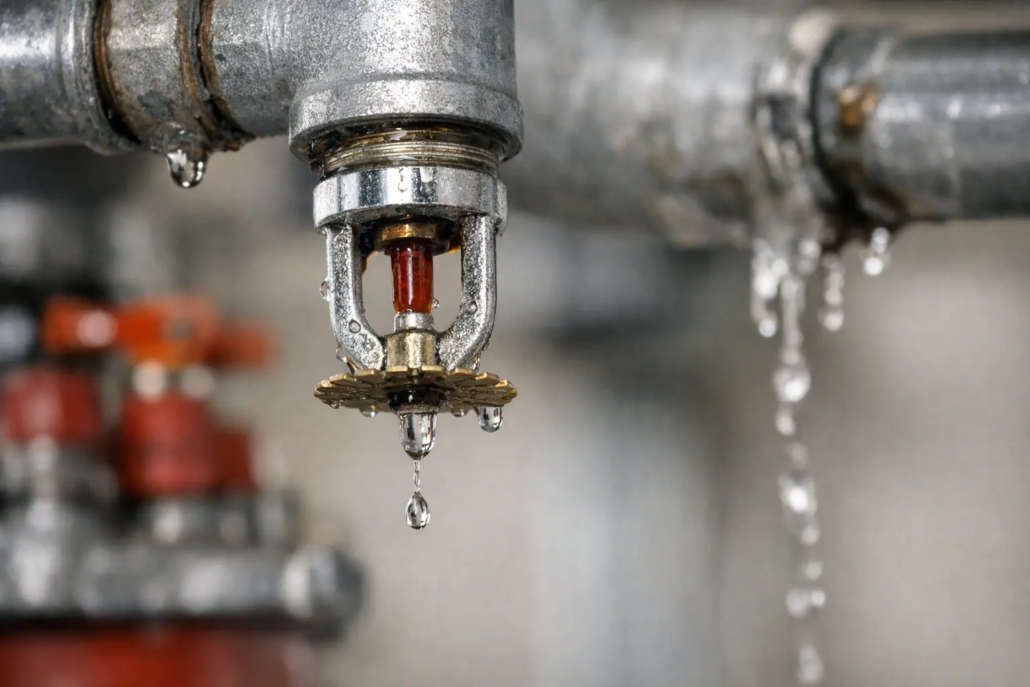
Why Are Sprinkler Heads Leaking? Common Causes
A puddle around one sprinkler head can look minor, especially after a Florida rainstorm. But if that area stays wet long after the system has shut off, it can waste water, weaken nearby turf, create muddy spots, and drive up your utility bill. Homeowners often ask, why are sprinkler heads leaking when the rest of the irrigation system seems to be working normally? The answer depends on whether the head leaks only while the zone is running or continues leaking after the system turns off.
A small amount of water draining from the lowest head in a zone may be normal. A steady trickle, a soft spot in the lawn, or water bubbling around a sprinkler is not. Finding the cause early helps protect both your lawn and your irrigation system.
Why Are Sprinkler Heads Leaking After the System Shuts Off?
When a sprinkler head continues to leak after a watering cycle, the issue is often somewhere beyond the visible sprinkler. Water may be draining downhill through the pipe, a valve may not be closing fully, or a damaged fitting below ground may be allowing water to escape.
Normal low-head drainage
If your yard slopes, the sprinkler head at the lowest point of a zone may release leftover water after the system shuts down. This is called low-head drainage. The water should stop once the pipe has emptied, usually within a few minutes.
While this is not always a repair emergency, repeated drainage can leave one area soggy and can contribute to runoff. A professional can install a check-valve sprinkler head or another appropriate solution to hold water in the line after the zone turns off.
A zone valve that is not closing completely
A leaking irrigation valve is one of the most common reasons a sprinkler keeps running or trickling when it should be off. Dirt, sand, worn parts, or a damaged diaphragm inside the valve can prevent it from sealing properly. In Northeast Florida, irrigation components work hard through long watering seasons, and debris can make its way into the system.
If multiple heads in the same zone are slowly leaking, the valve is more likely to be the problem than every individual sprinkler. This repair may involve cleaning, rebuilding, or replacing the valve, depending on its age and condition.
A cracked pipe or fitting underground
Water pooling around a sprinkler does not always mean the sprinkler itself is broken. A cracked lateral line, loose fitting, or broken connection under the head can send water upward through the soil. You may notice the lawn stays wet between scheduled watering cycles, the ground feels spongy, or water appears even when the controller is off.
Underground leaks deserve prompt attention. They can erode soil around the pipe, damage grass roots, and waste a surprising amount of water before they become obvious.
Leaks That Appear While the Sprinklers Are Running
A sprinkler head that leaks, sprays sideways, or bubbles at the base during a cycle usually has a more localized problem. These issues may affect coverage, leaving some parts of the lawn dry while soaking sidewalks, mulch beds, or the side of the house.
A damaged sprinkler body or riser
Lawn equipment, foot traffic, vehicles, and routine settling can crack a sprinkler body. A head that sits too high is more likely to get hit by a mower, while one that sits too low can fill with sand and debris. Plastic risers and threaded connections can also crack over time.
Look for water spraying from the side of the head, a head that wobbles in the ground, or a geyser-like spray from below the nozzle. These signs often point to a broken body, riser, or connection.
A worn seal or clogged nozzle
Pop-up sprinkler heads have seals that help keep water flowing through the nozzle while the head is raised. When the seal wears out or debris gets caught inside the head, water can leak around the stem instead of spraying in a clean, even pattern.
A clogged nozzle can cause similar trouble. Sand, mulch, insects, and small pieces of grass can block the opening and force water in the wrong direction. Sometimes cleaning the nozzle helps. In other cases, replacing the head is the more dependable option, particularly when the unit is old or damaged.
Incorrect water pressure
Too much pressure can make sprinkler heads mist, leak around their seals, or throw water far beyond the intended area. Too little pressure can prevent heads from popping up fully, which creates poor coverage and may look like a leak at ground level.
Pressure issues can be caused by a damaged pressure regulator, an oversized zone, a partially closed valve, pipe damage, or changes to the water supply. Because pressure affects every part of irrigation performance, it is worth having the system evaluated rather than replacing heads one at a time without addressing the source.
A missing or damaged nozzle
If a sprinkler suddenly shoots a tall stream of water instead of creating a controlled pattern, the nozzle may be missing, loose, or broken. This can happen after landscaping work, mowing, or accidental contact. The water may look dramatic, but the repair is often straightforward when the correct nozzle and spray pattern are installed.
The key is matching the replacement to the zone. A nozzle that sprays too far or applies water at a different rate can create dry patches in one section and overwater another.
What Homeowners Can Safely Check
You do not need to take apart valves or dig into irrigation lines to gather useful information. Run the affected zone for a few minutes and watch where the water starts. Then turn the system off and note whether the leak stops quickly, slows to a trickle, or continues.
It also helps to check whether the head is tilted, buried under mulch, blocked by grass, or visibly cracked. Clear loose grass and mulch away from the top of the sprinkler so it can rise and retract properly. Avoid forcing the stem up or twisting fittings underground, since a small issue can turn into a broken pipe connection.
For a clearer repair visit, write down the zone number, the time the leak appears, and whether nearby heads are also acting differently. Those details help narrow down whether the problem is a head, a valve, a line, or a pressure issue.
When a Sprinkler Leak Needs Professional Repair
Call for irrigation repair when water keeps flowing after the controller is off, the ground is consistently muddy, water is pooling near the foundation, or a zone has noticeably weaker pressure than before. You should also schedule service if the same sprinkler head keeps failing. Replacing it repeatedly without checking the riser, pipe connection, or pressure may only treat the symptom.
A qualified irrigation technician can inspect the complete zone, locate damaged components, make the repair, and adjust the heads for proper coverage. That final adjustment matters in St. Augustine lawns, where heat, sandy soil, rain patterns, and grass type all affect how much water your yard actually needs.
At American Blade Lawn Care, we approach irrigation repairs with the full landscape in mind. The goal is not simply to stop a leak. It is to restore efficient watering so your grass, beds, and outdoor space receive the right coverage without wasted water or ongoing damage.
Preventing Future Sprinkler Head Leaks
Regular inspections are the best defense against small irrigation problems becoming expensive repairs. Check your system at least once during the warmer growing season and again after landscaping projects, heavy storms, or work near sprinkler zones. Watch each zone long enough to see every head pop up, rotate or spray correctly, and shut down as expected.
Keep sprinkler heads at the proper grade, clear mulch away from their tops, and make sure mowing crews know where heads sit near lawn edges. If you are updating beds, adding hardscape, or changing the shape of your landscape, have the irrigation adjusted at the same time. A system designed for yesterday’s yard may not water today’s yard efficiently.
A leaking sprinkler head is often a manageable repair, but the water pattern tells a story. Addressing that story early keeps your lawn cleaner, healthier, and ready to look its best through the Florida growing season.


Leave a Reply
Want to join the discussion?Feel free to contribute!