
Can Power Washing Damage Concrete? What to Know
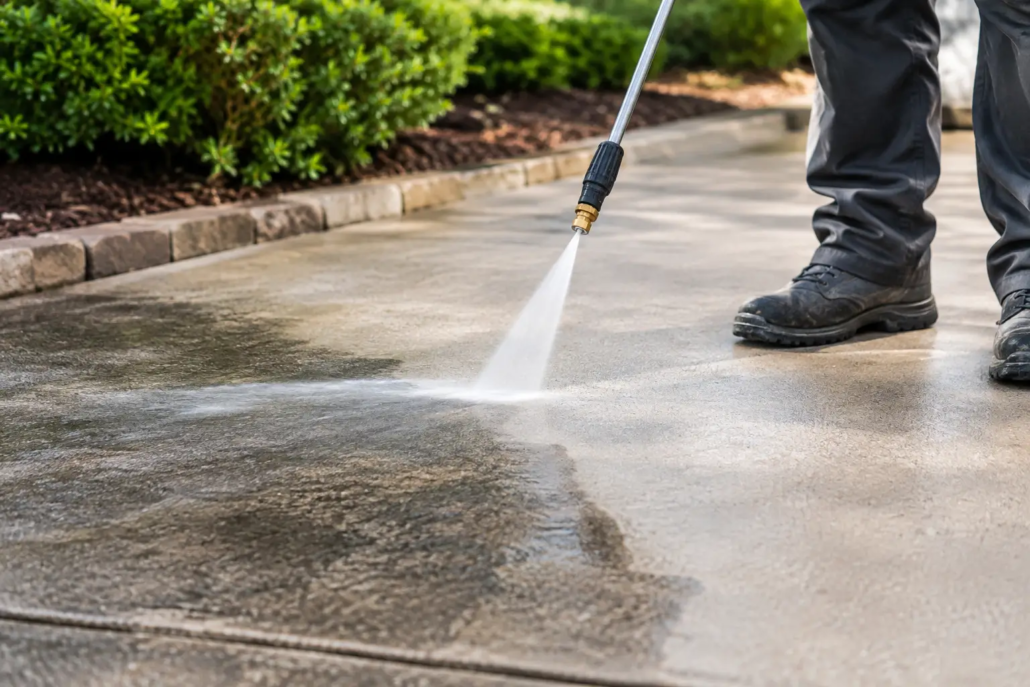
A stained driveway can make an otherwise well-kept St. Augustine home look neglected fast. But can power washing damage concrete? Yes, it can when the wrong pressure, nozzle, cleaning product, or technique is used. Done correctly, power washing can restore the clean, bright appearance of a driveway, patio, pool deck, sidewalk, or paver-adjacent concrete without causing harm.
The difference comes down to knowing the surface in front of you. Concrete is tough, but it is not indestructible. Northeast Florida’s humidity, frequent rain, salt air near the coast, and algae growth can make exterior concrete look dirty quickly. That does not mean every surface needs maximum pressure to get clean.
How Power Washing Can Damage Concrete
Concrete damage from pressure washing usually happens when force is concentrated in one area for too long. A high-powered stream can strip away the thin top layer of concrete called the paste. This is the smooth, finished layer that helps protect the aggregate underneath.
Once that surface is removed, the concrete can look rough, patchy, or permanently streaked. In more serious cases, small stones in the mix become exposed. The surface may then collect dirt and moisture more easily, making it harder to keep clean over time.
Etching is another common problem. It appears as lines, swirls, or lighter areas where the spray pattern cut into the concrete. Homeowners often notice this after using a narrow spray tip or holding the wand too close to the ground. Unfortunately, etching is not a stain that can simply be washed away. Repair may require resurfacing or professional refinishing.
Pressure washing can also worsen existing problems. Cracked, spalling, flaking, or aging concrete is already vulnerable. Water pressure may loosen weak material around cracks and expose damage that was previously less noticeable. The washing did not always create the original issue, but aggressive cleaning can make it worse.
Surfaces That Need Extra Care
Not all concrete is the same. A newer, properly cured standard driveway can generally handle more cleaning than an older patio with surface wear. The age, finish, condition, and prior sealing of the concrete all matter.
Decorative concrete deserves special attention. Stamped, stained, colored, polished, or acid-washed concrete can lose color or finish if cleaned with excessive pressure or harsh chemicals. A sealed surface can also be damaged if the wrong degreaser or bleach mixture is used. The goal is to remove algae and grime, not remove the finish with it.
Concrete around pools should be handled carefully as well. Pool decks may have textured coatings, slip-resistant finishes, or joints that need protection. Overspray can also carry cleaning products into the pool or surrounding landscape beds if the work is not controlled.
Driveways in coastal and humid Florida neighborhoods often develop dark mildew, green algae, rust marks, tire residue, and irrigation stains. Each issue calls for a different approach. Pressure alone is not always the answer, and more pressure is rarely the better answer.
New Concrete Is Not Ready for Heavy Cleaning
Fresh concrete needs time to cure before it is pressure washed. While conditions and mix designs vary, concrete is typically allowed to cure for about 28 days before heavy cleaning is considered. Cleaning it too early can disrupt the developing surface and leave visible marks.
If your driveway or patio was recently poured, ask the installer when it can safely be cleaned. It is better to wait than risk damaging a surface that should last for decades.
What Causes Most Power Washing Mistakes?
The most common mistake is using a narrow, high-impact nozzle. A zero-degree tip creates a concentrated stream that can cut into concrete, especially at close range. Even a fifteen-degree tip can leave lines if the operator moves too slowly or pauses in one spot.
Poor technique causes trouble, too. A wand should stay moving in smooth, overlapping passes at a consistent distance from the surface. Uneven movement creates zebra stripes and lap marks. Cleaning a small area until it looks perfect while leaving the surrounding concrete untouched can also create obvious color differences.
Using the wrong cleaning solution is another risk. Strong acidic products may react with concrete and cause etching. Heavy degreasers can affect sealers or decorative coatings. Bleach-based solutions can be effective for organic growth when diluted and applied correctly, but they need careful handling around grass, shrubs, painted surfaces, and nearby waterways.
Finally, a homeowner-grade machine is not automatically safer than commercial equipment. Lower pressure can still cause damage when a narrow tip is used too close to compromised concrete. On the other hand, professional equipment paired with the right surface cleaner, pressure setting, and detergent can produce a more even result with less risk.
A Safer Way to Clean Concrete
Professional concrete cleaning is about controlled results, not brute force. The process should begin with an inspection of the surface. Before washing, look for cracks, loose material, failing sealers, decorative coatings, rust stains, oil spots, and areas where algae has made the concrete slippery.
For broad, flat areas such as driveways and sidewalks, a surface cleaner is often the best choice. This tool uses rotating spray bars under a housing to clean evenly across the concrete. It reduces streaking and keeps high-pressure water from being focused on one small spot for too long.
A dependable cleaning process usually includes these steps:
- Pre-treat algae, mildew, oil, or stubborn stains with the appropriate cleaner.
- Use a controlled pressure setting and a wide enough spray pattern for the surface condition.
- Clean in consistent passes with a surface cleaner when possible.
- Rinse thoroughly and protect nearby plants, painted surfaces, and landscape features.
- Recheck the concrete after cleaning to make sure stains are addressed without harming the finish.
The best method depends on the problem. Light mildew may respond well to a low-pressure soft-wash treatment and rinse. Oil stains may need a dedicated degreaser and extra dwell time. Rust from irrigation water often requires a specialty treatment, not stronger pressure. This is why an experienced assessment saves homeowners from costly trial and error.
When You Should Skip DIY Pressure Washing
DIY cleaning may be reasonable for a small, sound concrete pad with light dirt, provided you use a wide fan tip, moderate pressure, and safe cleaning products. Still, some situations call for professional help.
Consider calling a pro if the concrete is old, cracked, flaking, stamped, stained, painted, sealed, or heavily discolored. The same applies if you have a large driveway, a pool deck, persistent black algae, rust stains, or landscaping close to the cleaning area. These jobs require more than a rented machine and a free afternoon.
There is also the issue of runoff. Cleaning chemicals and dirty water can move into turf, mulch beds, storm drains, or the street. A careful service provider plans for plant protection and proper application so your clean driveway does not come at the expense of your lawn or landscape.
Can Power Washing Damage Concrete if It Is Sealed?
Sealed concrete has an added layer of protection, but it is not immune to damage. High pressure can wear away a failing sealer, create uneven sheen, or reveal areas where the coating has already broken down. Harsh chemicals may cloud, discolor, or weaken certain sealers.
A good cleaning can actually help preserve a sealed concrete surface by removing algae, leaf stains, and grime before they become embedded. The key is using compatible products and appropriate pressure. If the sealer is peeling or cloudy before cleaning begins, the surface may need stripping and resealing rather than a more aggressive wash.
Protect Your Curb Appeal Without Taking Chances
Your driveway, sidewalks, patio, and pool deck are major parts of your home’s first impression. They also need to stay safe underfoot in Florida’s wet, humid conditions. Cleaning them the right way improves curb appeal while helping remove slippery growth that can become a hazard.
American Blade Lawn Care approaches exterior cleaning with the same attention we bring to lawns, landscaping, and hardscape areas: assess the property, use the right method, and treat every surface with care. A free estimate can help you understand what your concrete needs before pressure, chemicals, or guesswork create an expensive repair.
When your concrete looks tired, do not assume it needs maximum pressure. The right cleaning plan can bring back a cleaner appearance while protecting the surface you have worked hard to maintain.


Leave a Reply
Want to join the discussion?Feel free to contribute!