
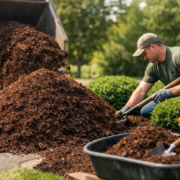
Mulch Delivery and Installation Cost

Mulch Delivery and Installation Cost

A fresh mulch install can make a yard look cleaned up in a single afternoon, but the price can swing more than most homeowners expect. If you’re trying to budget for mulch delivery and installation cost, the real answer depends on the size of your beds, the type of mulch you choose, and how much prep work the property needs before the first bag or bulk load ever hits the ground.

In Northeast Florida, mulch is not just about appearance. It helps hold moisture, reduces weed pressure, protects root zones from heat, and gives planting beds a finished look that sharpens curb appeal fast. That means the cheapest option is not always the best value, especially when Florida rain, sun, and weed growth can wear out a poor install in a hurry.

What affects mulch delivery and installation cost?

The biggest factor is simple square footage. A few front-entry beds cost far less than a full-property refresh with tree rings, foundation beds, side-yard borders, and backyard landscape islands. Most homeowners underestimate how much material their property actually needs, which is why professional estimates matter.

Mulch depth also changes the final number. A light top-off uses less product and less labor, while a proper refresh often calls for enough mulch to restore coverage and improve weed suppression. If existing mulch is thin, washed out, or badly broken down, the crew may need to install more material to get the result you actually want.

Material choice matters too. Pine bark, hardwood, eucalyptus, pine straw, and dyed mulches can all land at different price points. Some products are selected for appearance, others for longevity, and some because they perform better in certain planting areas. Premium mulch usually costs more up front, but it can hold color better and break down at a slower rate.

Delivery is another piece many people forget. If you’re ordering a small amount, delivery can feel like a bigger share of the total price. On larger jobs, that cost gets spread across more material. Access to the property also matters. If crews can back close to the beds, installation goes faster. If mulch has to be moved by hand across fences, narrow gates, or long side yards, labor costs tend to rise.

Why prep work changes the price

Installation is rarely just dropping mulch and raking it smooth. The beds usually need real prep to look right and last longer. That can include pulling weeds, removing leaves and sticks, redefining bed edges, clearing old mulch buildup, trimming plants, or blowing off hard surfaces after the work is done.

This is where one quote can look much lower than another. A lower number may only cover basic spreading, while a more complete service includes cleanup and bed detailing. For homeowners, the difference shows up in the final look. Fresh mulch over weedy, messy beds rarely delivers the clean finish people expect.

If your beds have not been serviced in a while, expect more labor. Overgrown edges, compacted debris, exposed roots, and invasive weeds take time to correct. That does not mean the job is overpriced. It usually means the crew is doing the work needed to make the mulch installation worth paying for.

Mulch delivery and installation cost by job type

A small refresh is usually the most affordable type of job. This might include front foundation beds or a few accent areas near the entry. If the beds are already maintained and only need a seasonal top-off, labor stays lower and the install moves quickly.

A medium-size job often includes the front yard, tree rings, side beds, and parts of the backyard. This is where pricing starts to vary more because there is enough square footage for material choice and labor efficiency to make a real difference.

Large installs cost more overall, but not always more per square foot. If a crew can handle the whole property at once, delivery and setup become more efficient. The catch is that bigger projects often reveal more prep needs, especially on older landscapes where bed lines have softened and weeds have taken over.

For rental properties or homes going on the market, mulch may be part of a larger curb appeal package. In those cases, the final cost can reflect extra services like hedge trimming, bed cleanup, mowing, or pressure washing nearby surfaces so the whole exterior looks ready at the same time.

Material choices and what they mean for value

Not every mulch performs the same in Florida conditions. A product that looks good on day one may fade quickly under strong sun or wash out after heavy rain. That is why value is different from price.

Dyed brown or black mulch is popular because it gives beds a bold, uniform finish. It photographs well and creates strong contrast around shrubs and flowers. Hardwood and bark products can offer a more natural look and may break down in a way some homeowners prefer. Pine straw can be cost-effective in certain settings, but it creates a different visual style and is not the right fit for every property.

If your main goal is long-lasting appearance, ask about how often a given mulch usually needs refreshing. A lower upfront cost may turn into more frequent replacement. On the other hand, if you just need a quick cleanup before an event or listing photos, a more budget-friendly option may make sense.

Local factors in St. Augustine and Jacksonville

Florida yards have their own pricing realities. Summer growth is aggressive, weeds move fast, and storm season can shift bed material or leave behind debris that has to be cleaned out before installation. Sandy soils and high heat can also affect how mulch settles and how much coverage is needed for a polished finish.

Neighborhood layout matters too. In older areas of St. Augustine, some homes have tighter access and more established landscaping, which can slow installation. In newer subdivisions around Jacksonville, the beds may be easier to access but larger in total square footage. Either way, local knowledge helps crews estimate accurately and avoid surprises once the job starts.

That is one reason many homeowners prefer a local provider instead of trying to piece together delivery from one company and labor from another. When one team handles the job, it is easier to get clear expectations on material quantity, site prep, cleanup, and timing.

How to get an accurate estimate

The best estimates are done on site, not guessed from a rough description over the phone. Bed size, slope, access, plant density, old mulch condition, and edging needs all affect labor and material totals. A quick walkthrough usually answers questions that can change the price significantly.

It also helps to be clear about your goal. If you want the lowest possible price, that may mean a basic top-off with limited prep. If you want a cleaner, more finished transformation, say that up front. A good estimate should match the result you expect, not just give you the smallest number.

Ask what is included. Does the quote cover weed removal, bed edging, delivery, full installation, and cleanup? Is the mulch being installed at a proper depth? Will hard surfaces be blown clean afterward? These details matter because they affect both appearance and value.

When paying more makes sense

Sometimes a higher quote is simply higher overhead. But often, it reflects a better finished result. If the crew is taking time to shape bed edges, remove visible weeds, spread mulch evenly, and clean up thoroughly, that labor shows in the final price and in the way the property looks when they leave.

Consistency matters as much as material. Uneven mulch depth, sloppy edges, and spilled product on walkways can make a fresh job look rushed. Homeowners who care about curb appeal usually notice that right away.

A professionally installed mulch bed should look intentional, not just covered up. That difference is especially important near entryways, patios, mailboxes, and front-facing landscape beds where every detail is visible.

A smart way to think about cost

Instead of asking only, “What is the cheapest mulch delivery and installation cost?” ask what result you want the yard to have when the job is done. If the goal is cleaner beds, fewer weeds, better moisture retention, and stronger curb appeal, then the right quote should support all of that.

For many homeowners, the best value comes from getting the beds cleaned up properly, using the right material for the property, and having the work done by a team that understands local conditions. American Blade Lawn Care works with homeowners across St. Augustine and nearby areas who want outdoor spaces that look sharp and stay easier to manage.

Fresh mulch is one of the fastest ways to improve the look of a property, but the best jobs are not built around guesswork. They are built around accurate measurements, honest recommendations, and work that still looks good after the crew pulls away.
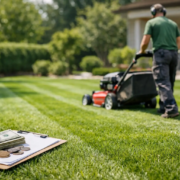
Lawn Mowing Service Cost: What to Expect

Lawn Mowing Service Cost: What to Expect

If you have ever gotten two very different quotes for the same yard, you already know lawn mowing service cost is not a one-price-fits-all number. In Northeast Florida, pricing can shift fast based on how often the lawn is cut, how thick the grass is, how much edging is needed, and whether the property has been maintained regularly or left to grow out.

That is why the most useful question is not just, “How much does lawn mowing cost?” It is, “What am I actually getting for the price?” A low quote may cover a quick mow and little else. A fair quote from a dependable local company usually reflects time, equipment, cleanup, consistency, and the condition of your property.

What affects lawn mowing service cost?

The biggest factor is yard size, but it is far from the only one. A small, open lawn that gets cut every week is usually faster and easier to maintain than a medium-sized yard with fences, trees, flower beds, steep areas, and tight access points. The more trimming, turning, and detail work required, the more labor goes into the visit.

Grass growth matters too. In Florida, warm temperatures and regular rain can push growth hard for much of the year. A lawn that is maintained on schedule is generally easier to cut and cleaner to finish. A lawn that has gone two or three extra weeks may need more passes, more trimming, and more cleanup. That added labor often shows up in the price.

Service frequency also plays a major role. Weekly mowing is often the most efficient option during the active growing season because the grass stays manageable and the lawn looks consistently sharp. Biweekly service can work in some situations, but when growth is aggressive, it may lead to heavier cuts and a less even appearance. One-time mowing usually costs more per visit because the crew cannot rely on predictable conditions.

Then there is what is included. Some companies quote mowing only. Others include line trimming around fences and beds, edging along sidewalks and driveways, and blowing off hard surfaces before they leave. For most homeowners, that fuller service is what makes the property look finished.

Typical lawn mowing service cost in Florida yards

For many residential properties, lawn mowing service cost lands somewhere between budget pricing and premium full-property care, depending on the condition of the yard and the level of detail included. Small basic lawns may come in lower, while larger or more complex properties will naturally cost more.

In St. Augustine and nearby areas, local conditions can push pricing in either direction. St. Augustine grass is common here, and while it creates a thick, attractive lawn, it can also grow dense and heavy in the warmer months. That means more effort for the crew and a stronger need for regular service if you want the lawn to stay healthy and clean-cut.

A flat monthly rate is often easier for homeowners than trying to guess each visit. It brings predictability to the budget, and it usually reflects a recurring schedule rather than occasional rescue work. If you are comparing estimates, ask whether the quote is per visit, monthly, or seasonal, and whether the price changes during peak growth.

Why one quote is lower than another

A lower quote is not always a better value. Sometimes it simply means less is included. You may see a cheaper price from a provider who skips edging, rushes the trimming, or leaves clippings in places that should be cleaned up. On paper, that can look attractive. On the property, it often shows.

Reliability has value too. Homeowners are not just paying for someone to show up with a mower. They are paying for consistency, communication, and the confidence that the lawn will be handled the right way week after week. If a company misses visits, cuts too short, or leaves the property messy, the cheap price starts getting expensive.

There is also the issue of equipment and crew quality. Well-maintained commercial equipment usually produces a cleaner result and helps crews work more efficiently. Experienced professionals know how to adjust mowing height, handle wet conditions, and avoid damaging turf that is already stressed by heat, pests, or irrigation problems.

What should be included in the price?

For most homeowners, a standard mowing visit should do more than shorten the grass. It should leave the whole lawn looking cared for. That usually means mowing the turf, trimming around obstacles, edging defined borders, and blowing clippings off driveways, patios, and walkways.

Some properties need more detail. Gates, narrow side yards, tree rings, ornamental beds, and uneven transitions all add time. If your lawn includes those features, make sure they are part of the estimate and not treated as surprise add-ons after the work begins.

It also helps to ask how the company handles overgrowth. If your yard gets away from you during a rainy stretch, some providers charge a one-time catch-up fee before moving to standard recurring pricing. That is normal, and it is usually a sign that the estimate is based on actual labor rather than guesswork.

Recurring service vs one-time mowing

If your goal is curb appeal with fewer headaches, recurring service is usually the smarter buy. It keeps the lawn on schedule, prevents heavy overgrowth, and helps avoid the uneven look that happens when grass is cut too much at once. It can also reduce stress on the turf, which matters in Florida’s heat.

One-time mowing makes sense in a few situations. Maybe you are preparing for guests, cleaning up a rental property, or getting the home ready to sell. But if the lawn has been neglected, expect the first visit to cost more than a standard maintenance cut. Crews may need extra time to tame tall growth, clean up excess clippings, and restore clean edges.

For many homeowners, recurring service also creates a better long-term relationship with a local lawn care company. Once the team knows your property, they can spot problems early, from irrigation issues to weed pressure to areas that need extra attention.

How local conditions in St. Augustine affect pricing

Florida lawns are not generic, and pricing should not be either. Sandy soils, heavy summer rain, intense sun, and fast seasonal growth all shape how a lawn needs to be maintained. A company that understands local conditions can price more accurately because it knows what your lawn is likely to need.

That local experience matters with grass type as well. St. Augustine grass needs the right mowing height to stay healthy and dense. Cut it too short and you can create stress, open the door to weeds, and weaken the lawn over time. A cheaper service that scalps the yard can cost more later in repair work and recovery.

Properties near the coast may also deal with salt exposure, wind, and patchy growth patterns. Shaded lots behave differently than open sunny lawns. That is why a customized estimate is more useful than an online average pulled from somewhere with completely different conditions.

How to compare estimates the right way

When you request a quote, ask clear questions. Is the price for mowing only, or does it include trimming, edging, and cleanup? Is it based on weekly service, biweekly service, or a one-time visit? Will the rate change if the lawn becomes overgrown? Those details tell you far more than the dollar amount alone.

It is also worth paying attention to responsiveness. If a company is hard to reach before the job starts, that usually does not improve once you are on the schedule. Good service begins with clear communication, realistic pricing, and a willingness to explain what your property needs.

At American Blade Lawn Care, that local, customized approach is a big part of the value. Homeowners want more than a basic cut. They want a yard that looks clean, stays healthy, and gets handled by a crew that shows up ready to do the job right.

When higher lawn mowing service cost makes sense

There are times when paying a bit more is the smart move. If your property has complicated borders, mature landscaping, irrigation components, or a lawn that is already struggling, detail and consistency matter. The right crew can protect what you have while keeping the property looking sharp.

A higher price can also make sense when it comes with broader support. If you eventually need hedge trimming, mulch refresh, weed control, or irrigation repair, working with one dependable provider can save time and prevent finger-pointing between multiple contractors. That all-in-one approach is often better for both appearance and long-term upkeep.

The real goal is not to find the cheapest mowing possible. It is to find dependable service at a fair price from a team that understands your lawn, your schedule, and your local conditions. When the estimate reflects real work and consistent results, the value is usually easy to see from the curb.

Hello world!

Welcome to WordPress. This is your first post. Edit or delete it, then start writing!