Sprinkler System Installation Cost in St. Augustine

Sprinkler System Installation Cost in St. Augustine

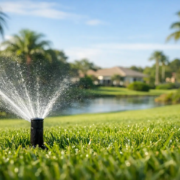
A green Northeast Florida lawn can turn thin and stressed quickly when rain patterns change. That is why sprinkler system installation cost is about more than putting heads in the ground. A properly planned system gives your grass, landscape beds, and shrubs the right amount of water without wasting it, flooding low areas, or leaving dry spots along the driveway.

For many St. Augustine and Jacksonville-area homeowners, a professionally installed residential irrigation system generally falls in the range of $2,500 to $6,500 or more. Smaller, straightforward yards may come in below that range, while large properties, extensive planting beds, difficult access, drainage concerns, and premium controls can move the investment higher. The only dependable number is one based on your actual property, water source, and landscaping goals.

What Affects Sprinkler System Installation Cost?

Every yard has different water needs. A square, open lawn with accessible water service is very different from a corner lot with mature trees, curved landscape beds, a pool enclosure, and several grass types. The size of the property matters, but it is not the only thing that drives price.

Yard size and the number of zones

Irrigation zones divide the property into sections so each area receives watering suited to its needs. Sunny turf usually needs a different schedule than shaded grass, flower beds, hedges, or newly planted shrubs. More zones require additional valves, pipe, wiring, sprinkler heads, and programming time.

A small front and back yard may need four to six zones. A larger property with separate lawn areas and landscaped beds could need eight, 10, or more. Adding zones costs more upfront, but it often prevents the common problem of overwatering one section just to keep another section alive.

Water source, pressure, and backflow protection

Your installer must determine whether the available water supply can operate the planned system effectively. Low pressure or limited flow may require a different zone layout, a booster solution, or adjustments to the number and type of heads that run at one time.

Backflow prevention is another essential part of many irrigation installations. This equipment helps protect the household water supply from contamination. Requirements can vary by location and water connection, so it should be addressed clearly in the project scope rather than treated as an afterthought.

Lawn layout, beds, trees, and hardscape

Obstacles add planning and labor. Irrigation lines may need to route around established trees, patios, walkways, fences, pools, utility lines, and landscape lighting. A well-designed system should cover the lawn evenly while avoiding unnecessary spray onto the house, concrete, vehicles, and neighboring property.

St. Augustine yards also often include palms, mature oaks, decorative beds, and tight side yards. These features are worth protecting. Careful installation may take longer than a basic open-lot layout, but it helps preserve the look of the property while reducing the chance of future repairs.

Equipment choices and smart controls

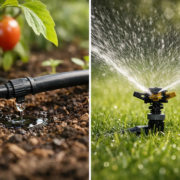
A standard timer may be the right choice for a simple property. A Wi-Fi-enabled controller, rain sensor, soil-moisture sensor, drip irrigation for beds, or high-efficiency rotary nozzles can add to the initial cost. They can also make the system easier to manage and reduce unnecessary watering over time.

Smart equipment is not automatically the best choice for every homeowner. If you prefer straightforward controls and have a simple lawn, a dependable conventional controller may deliver all the performance you need. For seasonal residents, busy families, and properties with varied landscaping, remote control and weather-based scheduling can be especially useful.

Permits, inspections, and site conditions

Depending on the property and connection type, permits or inspections may be required. Existing underground lines, shallow roots, compacted soil, drainage issues, and limited access can also affect labor. A professional estimate should explain any known site conditions and identify where final pricing may depend on what is found during installation.

What Should a Professional Irrigation Estimate Include?

The lowest quote is not always the best value. A price that looks attractive can leave out critical items such as backflow protection, controller setup, head adjustments, cleanup, or restoration of turf areas disturbed during trenching.

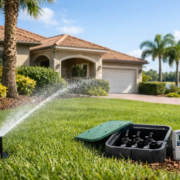
A clear sprinkler system installation estimate should identify the planned number of zones, the areas each zone will serve, the sprinkler or drip components being used, controller type, and water connection approach. It should also state whether permits, inspections, and backflow components are included when applicable.

Ask how the installer handles final testing. Each head should be adjusted for coverage after installation, with attention paid to overspray, runoff, and dry areas. The system should be programmed around your lawn and landscape needs, not simply turned on and left at a default schedule.

Why Florida Lawns Need a Custom Watering Plan

Northeast Florida heat, sandy soils, humidity, summer storms, and occasional dry stretches can make lawn watering confusing. Heavy rain does not always mean every part of a lawn received enough moisture. At the same time, watering too frequently can encourage shallow roots, disease pressure, and waste.

St. Augustine grass is popular throughout our area because it handles heat well, but it still needs thoughtful irrigation. Newly installed sod, established turf, ornamental beds, and shrubs do not follow the same watering schedule. A system designed around these differences can support healthier roots and more consistent color without soaking the property every day.

Seasonal adjustments matter too. Summer watering needs often differ from cooler months, and local restrictions may affect the days or times irrigation is allowed. A knowledgeable installer can set up a practical starting schedule, then show you how to make simple adjustments when weather and lawn conditions change.

Installation Cost Versus Long-Term Lawn Value

An irrigation system is an investment in convenience, but the real return is better control. Hand watering takes time and is rarely consistent across a full property. Portable sprinklers can help in a pinch, yet they often miss edges, overwater one spot, and require constant moving.

A permanent system can help protect investments already made in sod, shrubs, mulch beds, and landscape design. It can also make recurring lawn care more effective because grass responds better when it receives appropriate water at the right time. That does not mean irrigation can fix every lawn issue. Pests, poor soil, shade, weeds, mowing height, and drainage still affect results.

The goal is not to run sprinklers as often as possible. The goal is to apply water efficiently enough to support healthy growth while avoiding waste. A properly maintained system can make that much easier.

Ways to Keep Your Irrigation Project on Budget

Start with the areas that matter most. If a large backyard is rarely used but the front lawn and entry beds drive curb appeal, discuss a phased installation or a design focused on priority areas. It is better to install a well-functioning system for the right areas than to cut corners on coverage, components, or workmanship.

You can also save future expense by selecting quality components that are readily serviceable and by keeping a simple zone map after the work is complete. Before installation begins, mark any known underground features, discuss planned landscaping changes, and make sure the design accounts for future beds, patios, or pool improvements.

American Blade Lawn Care provides customized irrigation recommendations built around local properties, not one-size-fits-all packages. A detailed site evaluation helps determine the right layout, equipment, and budget for your lawn.

A sprinkler system should leave you with less guesswork, not more. When you request an estimate, focus on a design that fits your yard today and gives your lawn the consistent care it needs through Florida’s changing weather.

Irrigation Repair Near Me in St. Augustine

Irrigation Repair Near Me in St. Augustine

A sprinkler zone that suddenly stops working can turn a healthy St. Augustine lawn brown faster than most homeowners expect. If you are searching for irrigation repair near me, the goal is not simply to get water flowing again. It is to find the real cause, prevent wasted water, and make sure every part of your yard receives the right coverage for Northeast Florida conditions.

From cracked sprinkler heads after lawn work to underground leaks, valve failures, and poor coverage around landscape beds, irrigation problems are rarely one-size-fits-all. A quick, local response can protect the lawn, landscape investment, and curb appeal you work hard to maintain.

Signs Your Irrigation System Needs Attention

Some sprinkler problems are obvious. A geyser shooting from a broken head, water running down the driveway, or a zone that will not turn on calls for immediate repair. Other issues are quieter and can cause expensive damage over time.

Watch for patches of grass that stay dry while the rest of the lawn is green, or areas that remain soggy for days. You may notice water pooling near sprinkler heads, soft spots in the yard, low water pressure, or unusually high water bills. Heads that spray onto the sidewalk, house, fence, or street are also a problem. That water is not helping your lawn, and it can create slippery surfaces, staining, and runoff.

In St. Augustine and Jacksonville-area yards, sandy soil adds another layer to the issue. Water can move through the soil quickly, so a weak or misaligned sprinkler head may leave grass roots thirsty even when the system appears to run normally. Heavy rain can mask the problem for a while, but hot, dry weather usually exposes uneven coverage fast.

Common Irrigation Repairs for Florida Lawns

An irrigation system has several working parts, and a failure in one area can affect the whole yard. Professional troubleshooting starts with checking the system zone by zone, not guessing at the first visible issue.

Broken, Clogged, or Misaligned Sprinkler Heads

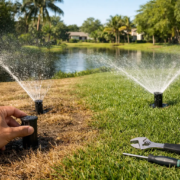
Sprinkler heads are exposed to mowers, edgers, vehicles, foot traffic, and shifting soil. They can crack, sink below grade, clog with sand, or get knocked out of position. A damaged head may leak at the base, spray in the wrong direction, or fail to pop up fully.

Replacing or adjusting a head sounds simple, but the correct nozzle and spray pattern matter. A head that throws too far can overwater one area while robbing another. One that sits too low can be blocked by grass and create a dry ring around the sprinkler. Proper adjustment helps water reach the lawn instead of the pavement.

Leaks in Irrigation Lines

An underground leak is not always visible. You may see a constantly wet area, a muddy spot, a drop in water pressure, or water bubbling to the surface while a zone is running. Small leaks can waste a surprising amount of water and may wash away soil around pipes, roots, or hardscape edges.

Finding the leak is often the hard part. A thorough repair includes identifying the affected zone, locating the damaged section, repairing the pipe correctly, and testing the system afterward. Simply adding more run time is not a solution. It can increase your bill while making the leak worse.

Valve, Controller, and Wiring Problems

If a zone will not turn on, will not shut off, or runs at the wrong time, the problem may be a valve, controller setting, wiring connection, or electrical component. Florida storms, moisture, age, and landscaping work can all affect these parts.

A controller issue may look like a sprinkler issue, but the repair is different. That is why it helps to work with a team that checks the entire system rather than replacing parts at random. The right diagnosis saves time, avoids unnecessary repairs, and gets your watering schedule back under control.

Poor Coverage and Overwatering

Not every irrigation repair involves a broken part. Sometimes the system works, but it was never set up for the yard as it looks today. Mature shrubs can block spray patterns. New mulch beds, landscape borders, patios, and added plantings can change where water needs to go.

Poor coverage can leave thin grass near sidewalks, corners, and fences. Overwatering can contribute to shallow roots, fungal issues, and weeds. The right solution may be repositioning heads, changing nozzles, dividing watering needs by zone, or adjusting the controller for the season.

What to Expect From Irrigation Repair Near Me

When you call for local irrigation repair, clear communication matters. You should know what is wrong, what repair is recommended, and how the work will affect your lawn or landscaping. A dependable service provider should inspect the visible components, run the affected zones, check coverage, and explain the options in homeowner-friendly terms.

The repair itself should address the source of the problem, not just the symptom. For example, a repeatedly broken head may need to be raised, relocated, or protected because it sits too close to a mowing edge. A low-pressure zone may point to more than one issue, such as a leak, a partially closed valve, or too many heads on one line.

After the repair, the system should be tested. Water should reach intended areas with minimal overspray, heads should sit at the proper height, and each zone should cycle on and off as expected. This final check is where quality workmanship shows.

Choosing a Local Irrigation Repair Company

A quick online search for irrigation help can bring up a long list of options, but local experience makes a difference. Northeast Florida lawns face heat, sandy soil, strong summer rain, and periods of dry weather. A repair that works on paper may not provide the best results for your grass type, soil conditions, or existing landscape.

Look for a company that can evaluate the irrigation system in relation to the whole property. Your sprinkler layout affects lawn health, mulch beds, hedges, trees, and even the cleanliness of exterior surfaces. Water spraying against a home or onto a driveway is not just inefficient – it can create avoidable maintenance problems.

It also helps to choose a provider that is responsive and straightforward about pricing. You deserve a clear recommendation, professional work, and service that respects your time and property. American Blade Lawn Care provides irrigation repair alongside lawn care and landscaping services, making it easier to keep the full outdoor space working together.

Protect Your Lawn Between Service Visits

Homeowners do not need to become irrigation experts, but a quick monthly walk-through can catch small problems early. Run each zone during daylight and look for heads that do not rise, spray patterns that hit hardscape, standing water, and dry spots. Clear grass, mulch, and debris away from sprinkler heads so the spray can move freely.

Avoid changing your watering schedule based only on the calendar. Rainfall, temperatures, grass type, shade, and soil conditions all matter. During rainy stretches, running the system too often can be just as harmful as failing to water during dry weather. If you are unsure how long or how often to water, ask for a recommendation based on your specific yard.

Be careful when installing new plants, digging near landscape beds, or having work done around sprinkler lines. Let service professionals know where irrigation components are located before major landscaping or hardscape projects begin. Preventing a cut line is always easier than repairing one.

Get the Right Water Where Your Yard Needs It

Your irrigation system should support a greener lawn, healthier plants, and a better-looking property without wasting water. Whether you have a broken sprinkler head, a stubborn dry spot, or a zone that refuses to cooperate, prompt repair can keep a small problem from becoming a larger yard expense. A professional evaluation gives you a clear path forward and lets you enjoy your outdoor space with confidence.

Hedge Trimming Service Near Me in St. Augustine

Hedge Trimming Service Near Me in St. Augustine

A hedge can go from a clean property border to an overgrown eyesore faster than most homeowners expect. In Northeast Florida, warm temperatures, rain, and long growing seasons keep shrubs active for much of the year. If you are searching for a hedge trimming service near me, you likely want more than someone to quickly cut the top flat. You need careful shaping that improves curb appeal without weakening the plants that frame your home.

A well-trimmed hedge makes a lawn look maintained even between mowing visits. It opens up walkways, keeps branches off windows and driveways, and helps your landscape beds look intentional rather than crowded. The right local crew also understands when a hedge needs a light cleanup, when it needs a more substantial reduction, and when cutting too aggressively could create a problem.

Why Florida Hedges Need Regular Attention

St. Augustine and Jacksonville homeowners deal with growing conditions that are very different from those in cooler parts of the country. Hedges can put on significant growth after summer rain, irrigation cycles, and extended stretches of heat. Left alone, that growth becomes uneven, blocks air movement, and can shade out grass or smaller plants below.

Overgrown hedges also create practical issues. Branches may cover house numbers, crowd a sidewalk, scrape against fencing, or hide irrigation heads. Near a driveway, a large shrub can limit visibility when backing out. Along the home, thick foliage can hold moisture against exterior walls and make it harder to spot pest activity or needed repairs.

Regular trimming is not about making every shrub look like a perfect box. Some plants look best with soft, natural lines, while formal hedges need consistent shaping to hold their structure. The goal is to keep each plant healthy, proportional, and suited to its location in the landscape.

What a Professional Hedge Trimming Service Should Do

A quality hedge trimming visit starts with looking at the hedge, not simply starting the trimmer. Plant type, age, current condition, sun exposure, and the homeowner’s preferred look all affect the right approach. A fast-growing viburnum, for example, may need a different cut and schedule than podocarpus, clusia, ligustrum, or ornamental shrubs near an entryway.

Professional service should include controlled trimming, careful shaping, and complete cleanup of the clippings. The work should leave your property looking better when the crew leaves, not leave you with piles of branches to bag on a hot afternoon.

For most properties, a dependable service includes these essentials:

  • Trimming overgrown branches and maintaining a clean, balanced shape
  • Clearing growth away from walks, driveways, windows, gates, and structures
  • Adjusting the cut to protect the hedge’s health and future growth
  • Removing clippings from beds, turf, and hard surfaces
  • Noticing related concerns, such as weeds, mulch needs, irrigation issues, or struggling plants

That last point matters when you prefer one local company to care for the whole exterior. Hedge trimming often reveals other needs in the landscape, from a bare mulch bed beneath the shrubs to sprinkler coverage that is feeding one side of a hedge and missing the other.

How Often Should Hedges Be Trimmed in St. Augustine?

The honest answer is that it depends on the plant and the look you want. Many established hedges benefit from trimming every six to 10 weeks during active growing periods. Formal hedges along the front of a home may need more frequent touch-ups to stay crisp. A natural privacy screen can usually go longer between visits if it is not interfering with the property or becoming too dense.

Summer growth is usually the biggest factor. A hedge that looked neat in late spring can become shaggy after a few weeks of rain and heat. During cooler months, growth often slows, so service can be scheduled less frequently or combined with other seasonal yard cleanup work.

There is also a difference between maintenance trimming and corrective pruning. Maintenance trimming keeps a hedge within a planned size. Corrective work addresses plants that have grown too tall, too wide, or too thin at the base. Corrective pruning may need to be done in stages. Cutting a severely overgrown hedge back all at once can expose bare wood, shock the plant, or leave an unattractive result that takes time to fill in.

Signs It Is Time to Search for Hedge Trimming Near Me

You do not have to wait until a hedge is taking over the yard. Small, regular cuts are generally easier on the plant and more affordable than waiting for a major cleanup. It is time to schedule service when the hedge has lost its shape, branches are hanging into usable space, or the lower sections are becoming thin and shaded.

Pay attention to brown interior growth, areas that remain damp after irrigation, and branches pressing against your home or fence. These are not always signs that a hedge needs to be removed, but they are worth having a local professional assess. Sometimes the fix is better trimming. Other times, a change in irrigation, mulch, drainage, or plant spacing will make a bigger difference.

Homeowners often call after preparing for a gathering, listing a home for sale, or receiving an association notice. Those are good reasons to act, but routine service is the easiest way to avoid last-minute yard stress. A maintained hedge helps your entire property look cared for, from the street to the front door.

Choosing the Right Local Hedge Trimming Company

When comparing a hedge trimming service near me, price matters, but it should not be the only question. Ask whether the company serves your neighborhood consistently, handles cleanup, and can provide recurring maintenance if needed. A low quote does not help if the crew cuts shrubs unevenly, leaves debris behind, or cannot return when the hedge grows out again.

Look for a provider that understands the broader condition of your lawn and landscaping. Hedges do not exist separately from the rest of the yard. Their growth is affected by irrigation, soil, shade, lawn edging, weed pressure, and the condition of nearby beds. A team that also handles mowing, mulch, weed control, irrigation repair, and landscape improvements can give you practical recommendations without sending you to several different contractors.

Communication should be simple. You should be able to explain whether you want a formal appearance, lower height, more privacy, or clearance around a walkway, then get a clear answer about what can be done. A good crew will set realistic expectations, especially when a hedge has been neglected for a long time.

Get Better Results Than a Quick Cut-and-Go Visit

The best hedge trimming plan works with your overall property maintenance schedule. If your lawn is mowed regularly, hedge work can often be added at the right intervals so the whole yard stays polished. Fresh edging, clean mulch beds, and properly shaped shrubs create a sharper result than any one service can provide alone.

At American Blade Lawn Care, we take pride in helping St. Augustine-area homeowners keep outdoor spaces clean, healthy, and ready to enjoy. Our team can evaluate your hedge condition, recommend the right level of service, and handle the surrounding lawn and landscape needs at the same time.

Do not let a few months of Florida growth turn a simple touch-up into a major project. A free estimate gives you a clear starting point, whether your hedges need routine shaping, a careful reduction, or a complete landscape refresh.

Weed Control for Lawns That Lasts

Weed Control for Lawns That Lasts

A lawn can look fine on Monday and start losing ground by the weekend. In Northeast Florida, warm weather, rain, sandy soil, and long growing seasons give weeds plenty of chances to move in fast. That is why weed control for lawns is never just about spraying what you see. It takes timing, the right products, and a plan built around your grass type and local conditions.

For homeowners in St. Augustine, Jacksonville, and nearby areas, the biggest mistake is treating every weed problem the same way. Crabgrass, dollarweed, clover, sedge, and broadleaf weeds do not all respond to the same approach. Some are signs of weak turf. Others point to drainage issues, overwatering, or thin areas caused by mowing habits. If you only knock the weeds back without fixing what allowed them to take hold, they usually come right back.

Why weed control for lawns starts with healthy grass

The best weed control program does not begin with a herbicide. It begins with dense, healthy turf that leaves weeds with less room, less sunlight, and fewer open spots to invade. A thick lawn is one of the most effective defenses any property can have.

That matters even more in Florida, where St. Augustine grass is common and can be sensitive to the wrong treatment. A product that works well on one lawn may stress another if the grass is already struggling from drought, disease, shade, or poor irrigation coverage. When grass is weak, weeds fill the gap. When grass is actively growing and getting what it needs, weeds have a harder time getting established.

This is why mowing height, watering habits, and fertilization all affect weed pressure. Cutting the lawn too short exposes the soil and invites seed germination. Watering too often can encourage shallow roots and moisture-loving weeds. Uneven irrigation creates stressed sections where weeds can outcompete turf. Good weed control is part of overall lawn care, not a separate fix.

The most common lawn weeds in Northeast Florida

Not every weed tells the same story. Some show up because of season changes, while others signal a problem with the lawn itself.

Crabgrass is a common headache in warmer months, especially in bare or thinning areas. It spreads quickly and takes advantage of heat and open soil. Dollarweed often points to excess moisture and poor drainage. Nutsedge usually thrives where the lawn stays too wet, and it grows faster than the surrounding grass, which makes it stand out almost immediately. Broadleaf weeds such as clover and spurge often appear in weak turf where competition is low.

The trade-off is that fast treatment is not always the same as smart treatment. Pulling a few isolated weeds may help in a small area, but widespread growth usually needs a broader strategy. On the other hand, aggressive chemical use without identifying the weed first can damage the lawn and still miss the real cause.

Pre-emergent vs. post-emergent weed control

If you want results that last, timing matters as much as product choice. That is where pre-emergent and post-emergent applications come in.

Pre-emergent weed control is designed to stop certain weeds before they break through the soil surface. This works best when applied before seasonal germination windows. In Florida, that timing can be tricky because temperatures shift earlier than many homeowners expect. Miss that window, and pre-emergent control becomes much less effective.

Post-emergent treatment is used after weeds are already visible. This can be very effective, but it depends on the weed type, the stage of growth, and the condition of the lawn. Some weeds are easy to suppress when young but harder to control once mature. Others require repeat applications. For many properties, the best results come from combining both methods as part of a year-round program.

Why DIY weed control often falls short

Store-bought weed killers can seem like a simple answer, especially when the lawn starts looking rough. Sometimes they help. Just as often, they create a new problem.

The biggest issue is misidentification. Many homeowners see any bright green patch and assume one product will handle it. But sedge is not broadleaf. Crabgrass is not clover. St. Augustine grass does not tolerate every herbicide on the shelf. Using the wrong product can burn the lawn, leave dead spots, or only partially suppress the weeds so they return stronger.

There is also the matter of coverage and timing. Spot treating one weekend and skipping follow-up the next can lead to uneven results. Heavy applications do not necessarily work better, either. They can stress the turf and waste money. In a climate like ours, successful treatment depends on knowing what is growing, why it is there, and what the lawn can safely handle.

Local conditions make a big difference

Florida lawns deal with pressures that many national lawn care guides barely address. Sandy soil drains quickly, which affects nutrient retention. High humidity can increase stress and disease pressure. Frequent rain can wash away treatments or create perfect conditions for certain weeds. Salt exposure near the coast can also affect turf performance.

That is why a one-size-fits-all program rarely delivers strong results here. A shaded backyard in St. Augustine may need a very different weed control plan than a sunny front lawn in Jacksonville. Soil conditions, irrigation layout, traffic patterns, and even nearby landscape beds can all influence how weeds spread.

A dependable service plan looks at the full property, not just the weeds that are visible today. Sometimes the real issue is compacted soil. Sometimes it is poor drainage. Sometimes the lawn is being mowed too low by a previous provider. Weed pressure is often a symptom, not the whole problem.

What a professional weed control program should include

A strong weed control service should do more than apply product and move on. It should start with evaluation. The lawn needs to be checked for grass type, weed variety, overall density, irrigation performance, and stress areas. Without that step, treatment is just guessing.

From there, the program should be adjusted to the season and the property. That may include pre-emergent applications at the right time of year, targeted post-emergent treatments for active growth, and recommendations for mowing, watering, and fertilization that support thicker turf.

Good service also means knowing when not to push a treatment. If the lawn is drought-stressed, recently cut too short, or dealing with another health issue, certain applications may need to wait or be modified. Results-focused lawn care is not about doing the maximum every visit. It is about doing the right thing at the right time.

For homeowners who want dependable results without trial and error, that local experience matters. American Blade Lawn Care works with Florida lawns every day, and that hands-on knowledge helps shape treatments that are practical, safe, and built for this region.

Weed control for lawns works best with consistent care

Even the best treatment plan can lose ground if the rest of the lawn is neglected. Weeds thrive in thin turf, neglected edges, dry spots, soggy sections, and underfed grass. That is why recurring service often produces better results than one-off applications.

Routine mowing keeps turf at a healthier height. Proper edging reduces weed spread from hardscapes and beds. Fertilization helps grass fill in weak areas. Irrigation checks make sure the lawn is not being overwatered in one zone and missed in another. When those services work together, weed pressure drops because the lawn itself becomes more competitive.

That does not mean every weed disappears overnight. Some lawns need a few treatment cycles before the difference is obvious, especially if the infestation is well established. But consistent care usually creates a visible shift. The grass begins to thicken, weeds lose space to spread, and the property starts looking cleaner and easier to maintain.

When to act on a weed problem

If weeds are starting to pop up in clusters, if the lawn has thin or bare patches, or if treatments you tried before did not hold, it is time to act before the problem spreads. Waiting too long usually means more weeds, more stress on the lawn, and a harder recovery.

A better-looking yard is not just about appearance, either. A healthier lawn is easier to mow, easier to maintain, and more enjoyable to use. It also gives your property the kind of curb appeal people notice right away.

The right weed control plan should make your life easier, not more complicated. When the lawn gets the attention it actually needs, weeds stop running the show and your yard has a real chance to stay strong through Florida’s toughest growing conditions.

Mulch Delivery and Installation Cost

Mulch Delivery and Installation Cost

A fresh mulch install can make a yard look cleaned up in a single afternoon, but the price can swing more than most homeowners expect. If you’re trying to budget for mulch delivery and installation cost, the real answer depends on the size of your beds, the type of mulch you choose, and how much prep work the property needs before the first bag or bulk load ever hits the ground.

In Northeast Florida, mulch is not just about appearance. It helps hold moisture, reduces weed pressure, protects root zones from heat, and gives planting beds a finished look that sharpens curb appeal fast. That means the cheapest option is not always the best value, especially when Florida rain, sun, and weed growth can wear out a poor install in a hurry.

What affects mulch delivery and installation cost?

The biggest factor is simple square footage. A few front-entry beds cost far less than a full-property refresh with tree rings, foundation beds, side-yard borders, and backyard landscape islands. Most homeowners underestimate how much material their property actually needs, which is why professional estimates matter.

Mulch depth also changes the final number. A light top-off uses less product and less labor, while a proper refresh often calls for enough mulch to restore coverage and improve weed suppression. If existing mulch is thin, washed out, or badly broken down, the crew may need to install more material to get the result you actually want.

Material choice matters too. Pine bark, hardwood, eucalyptus, pine straw, and dyed mulches can all land at different price points. Some products are selected for appearance, others for longevity, and some because they perform better in certain planting areas. Premium mulch usually costs more up front, but it can hold color better and break down at a slower rate.

Delivery is another piece many people forget. If you’re ordering a small amount, delivery can feel like a bigger share of the total price. On larger jobs, that cost gets spread across more material. Access to the property also matters. If crews can back close to the beds, installation goes faster. If mulch has to be moved by hand across fences, narrow gates, or long side yards, labor costs tend to rise.

Why prep work changes the price

Installation is rarely just dropping mulch and raking it smooth. The beds usually need real prep to look right and last longer. That can include pulling weeds, removing leaves and sticks, redefining bed edges, clearing old mulch buildup, trimming plants, or blowing off hard surfaces after the work is done.

This is where one quote can look much lower than another. A lower number may only cover basic spreading, while a more complete service includes cleanup and bed detailing. For homeowners, the difference shows up in the final look. Fresh mulch over weedy, messy beds rarely delivers the clean finish people expect.

If your beds have not been serviced in a while, expect more labor. Overgrown edges, compacted debris, exposed roots, and invasive weeds take time to correct. That does not mean the job is overpriced. It usually means the crew is doing the work needed to make the mulch installation worth paying for.

Mulch delivery and installation cost by job type

A small refresh is usually the most affordable type of job. This might include front foundation beds or a few accent areas near the entry. If the beds are already maintained and only need a seasonal top-off, labor stays lower and the install moves quickly.

A medium-size job often includes the front yard, tree rings, side beds, and parts of the backyard. This is where pricing starts to vary more because there is enough square footage for material choice and labor efficiency to make a real difference.

Large installs cost more overall, but not always more per square foot. If a crew can handle the whole property at once, delivery and setup become more efficient. The catch is that bigger projects often reveal more prep needs, especially on older landscapes where bed lines have softened and weeds have taken over.

For rental properties or homes going on the market, mulch may be part of a larger curb appeal package. In those cases, the final cost can reflect extra services like hedge trimming, bed cleanup, mowing, or pressure washing nearby surfaces so the whole exterior looks ready at the same time.

Material choices and what they mean for value

Not every mulch performs the same in Florida conditions. A product that looks good on day one may fade quickly under strong sun or wash out after heavy rain. That is why value is different from price.

Dyed brown or black mulch is popular because it gives beds a bold, uniform finish. It photographs well and creates strong contrast around shrubs and flowers. Hardwood and bark products can offer a more natural look and may break down in a way some homeowners prefer. Pine straw can be cost-effective in certain settings, but it creates a different visual style and is not the right fit for every property.

If your main goal is long-lasting appearance, ask about how often a given mulch usually needs refreshing. A lower upfront cost may turn into more frequent replacement. On the other hand, if you just need a quick cleanup before an event or listing photos, a more budget-friendly option may make sense.

Local factors in St. Augustine and Jacksonville

Florida yards have their own pricing realities. Summer growth is aggressive, weeds move fast, and storm season can shift bed material or leave behind debris that has to be cleaned out before installation. Sandy soils and high heat can also affect how mulch settles and how much coverage is needed for a polished finish.

Neighborhood layout matters too. In older areas of St. Augustine, some homes have tighter access and more established landscaping, which can slow installation. In newer subdivisions around Jacksonville, the beds may be easier to access but larger in total square footage. Either way, local knowledge helps crews estimate accurately and avoid surprises once the job starts.

That is one reason many homeowners prefer a local provider instead of trying to piece together delivery from one company and labor from another. When one team handles the job, it is easier to get clear expectations on material quantity, site prep, cleanup, and timing.

How to get an accurate estimate

The best estimates are done on site, not guessed from a rough description over the phone. Bed size, slope, access, plant density, old mulch condition, and edging needs all affect labor and material totals. A quick walkthrough usually answers questions that can change the price significantly.

It also helps to be clear about your goal. If you want the lowest possible price, that may mean a basic top-off with limited prep. If you want a cleaner, more finished transformation, say that up front. A good estimate should match the result you expect, not just give you the smallest number.

Ask what is included. Does the quote cover weed removal, bed edging, delivery, full installation, and cleanup? Is the mulch being installed at a proper depth? Will hard surfaces be blown clean afterward? These details matter because they affect both appearance and value.

When paying more makes sense

Sometimes a higher quote is simply higher overhead. But often, it reflects a better finished result. If the crew is taking time to shape bed edges, remove visible weeds, spread mulch evenly, and clean up thoroughly, that labor shows in the final price and in the way the property looks when they leave.

Consistency matters as much as material. Uneven mulch depth, sloppy edges, and spilled product on walkways can make a fresh job look rushed. Homeowners who care about curb appeal usually notice that right away.

A professionally installed mulch bed should look intentional, not just covered up. That difference is especially important near entryways, patios, mailboxes, and front-facing landscape beds where every detail is visible.

A smart way to think about cost

Instead of asking only, “What is the cheapest mulch delivery and installation cost?” ask what result you want the yard to have when the job is done. If the goal is cleaner beds, fewer weeds, better moisture retention, and stronger curb appeal, then the right quote should support all of that.

For many homeowners, the best value comes from getting the beds cleaned up properly, using the right material for the property, and having the work done by a team that understands local conditions. American Blade Lawn Care works with homeowners across St. Augustine and nearby areas who want outdoor spaces that look sharp and stay easier to manage.

Fresh mulch is one of the fastest ways to improve the look of a property, but the best jobs are not built around guesswork. They are built around accurate measurements, honest recommendations, and work that still looks good after the crew pulls away.

Lawn Mowing Service Cost: What to Expect

Lawn Mowing Service Cost: What to Expect

If you have ever gotten two very different quotes for the same yard, you already know lawn mowing service cost is not a one-price-fits-all number. In Northeast Florida, pricing can shift fast based on how often the lawn is cut, how thick the grass is, how much edging is needed, and whether the property has been maintained regularly or left to grow out.

That is why the most useful question is not just, “How much does lawn mowing cost?” It is, “What am I actually getting for the price?” A low quote may cover a quick mow and little else. A fair quote from a dependable local company usually reflects time, equipment, cleanup, consistency, and the condition of your property.

What affects lawn mowing service cost?

The biggest factor is yard size, but it is far from the only one. A small, open lawn that gets cut every week is usually faster and easier to maintain than a medium-sized yard with fences, trees, flower beds, steep areas, and tight access points. The more trimming, turning, and detail work required, the more labor goes into the visit.

Grass growth matters too. In Florida, warm temperatures and regular rain can push growth hard for much of the year. A lawn that is maintained on schedule is generally easier to cut and cleaner to finish. A lawn that has gone two or three extra weeks may need more passes, more trimming, and more cleanup. That added labor often shows up in the price.

Service frequency also plays a major role. Weekly mowing is often the most efficient option during the active growing season because the grass stays manageable and the lawn looks consistently sharp. Biweekly service can work in some situations, but when growth is aggressive, it may lead to heavier cuts and a less even appearance. One-time mowing usually costs more per visit because the crew cannot rely on predictable conditions.

Then there is what is included. Some companies quote mowing only. Others include line trimming around fences and beds, edging along sidewalks and driveways, and blowing off hard surfaces before they leave. For most homeowners, that fuller service is what makes the property look finished.

Typical lawn mowing service cost in Florida yards

For many residential properties, lawn mowing service cost lands somewhere between budget pricing and premium full-property care, depending on the condition of the yard and the level of detail included. Small basic lawns may come in lower, while larger or more complex properties will naturally cost more.

In St. Augustine and nearby areas, local conditions can push pricing in either direction. St. Augustine grass is common here, and while it creates a thick, attractive lawn, it can also grow dense and heavy in the warmer months. That means more effort for the crew and a stronger need for regular service if you want the lawn to stay healthy and clean-cut.

A flat monthly rate is often easier for homeowners than trying to guess each visit. It brings predictability to the budget, and it usually reflects a recurring schedule rather than occasional rescue work. If you are comparing estimates, ask whether the quote is per visit, monthly, or seasonal, and whether the price changes during peak growth.

Why one quote is lower than another

A lower quote is not always a better value. Sometimes it simply means less is included. You may see a cheaper price from a provider who skips edging, rushes the trimming, or leaves clippings in places that should be cleaned up. On paper, that can look attractive. On the property, it often shows.

Reliability has value too. Homeowners are not just paying for someone to show up with a mower. They are paying for consistency, communication, and the confidence that the lawn will be handled the right way week after week. If a company misses visits, cuts too short, or leaves the property messy, the cheap price starts getting expensive.

There is also the issue of equipment and crew quality. Well-maintained commercial equipment usually produces a cleaner result and helps crews work more efficiently. Experienced professionals know how to adjust mowing height, handle wet conditions, and avoid damaging turf that is already stressed by heat, pests, or irrigation problems.

What should be included in the price?

For most homeowners, a standard mowing visit should do more than shorten the grass. It should leave the whole lawn looking cared for. That usually means mowing the turf, trimming around obstacles, edging defined borders, and blowing clippings off driveways, patios, and walkways.

Some properties need more detail. Gates, narrow side yards, tree rings, ornamental beds, and uneven transitions all add time. If your lawn includes those features, make sure they are part of the estimate and not treated as surprise add-ons after the work begins.

It also helps to ask how the company handles overgrowth. If your yard gets away from you during a rainy stretch, some providers charge a one-time catch-up fee before moving to standard recurring pricing. That is normal, and it is usually a sign that the estimate is based on actual labor rather than guesswork.

Recurring service vs one-time mowing

If your goal is curb appeal with fewer headaches, recurring service is usually the smarter buy. It keeps the lawn on schedule, prevents heavy overgrowth, and helps avoid the uneven look that happens when grass is cut too much at once. It can also reduce stress on the turf, which matters in Florida’s heat.

One-time mowing makes sense in a few situations. Maybe you are preparing for guests, cleaning up a rental property, or getting the home ready to sell. But if the lawn has been neglected, expect the first visit to cost more than a standard maintenance cut. Crews may need extra time to tame tall growth, clean up excess clippings, and restore clean edges.

For many homeowners, recurring service also creates a better long-term relationship with a local lawn care company. Once the team knows your property, they can spot problems early, from irrigation issues to weed pressure to areas that need extra attention.

How local conditions in St. Augustine affect pricing

Florida lawns are not generic, and pricing should not be either. Sandy soils, heavy summer rain, intense sun, and fast seasonal growth all shape how a lawn needs to be maintained. A company that understands local conditions can price more accurately because it knows what your lawn is likely to need.

That local experience matters with grass type as well. St. Augustine grass needs the right mowing height to stay healthy and dense. Cut it too short and you can create stress, open the door to weeds, and weaken the lawn over time. A cheaper service that scalps the yard can cost more later in repair work and recovery.

Properties near the coast may also deal with salt exposure, wind, and patchy growth patterns. Shaded lots behave differently than open sunny lawns. That is why a customized estimate is more useful than an online average pulled from somewhere with completely different conditions.

How to compare estimates the right way

When you request a quote, ask clear questions. Is the price for mowing only, or does it include trimming, edging, and cleanup? Is it based on weekly service, biweekly service, or a one-time visit? Will the rate change if the lawn becomes overgrown? Those details tell you far more than the dollar amount alone.

It is also worth paying attention to responsiveness. If a company is hard to reach before the job starts, that usually does not improve once you are on the schedule. Good service begins with clear communication, realistic pricing, and a willingness to explain what your property needs.

At American Blade Lawn Care, that local, customized approach is a big part of the value. Homeowners want more than a basic cut. They want a yard that looks clean, stays healthy, and gets handled by a crew that shows up ready to do the job right.

When higher lawn mowing service cost makes sense

There are times when paying a bit more is the smart move. If your property has complicated borders, mature landscaping, irrigation components, or a lawn that is already struggling, detail and consistency matter. The right crew can protect what you have while keeping the property looking sharp.

A higher price can also make sense when it comes with broader support. If you eventually need hedge trimming, mulch refresh, weed control, or irrigation repair, working with one dependable provider can save time and prevent finger-pointing between multiple contractors. That all-in-one approach is often better for both appearance and long-term upkeep.

The real goal is not to find the cheapest mowing possible. It is to find dependable service at a fair price from a team that understands your lawn, your schedule, and your local conditions. When the estimate reflects real work and consistent results, the value is usually easy to see from the curb.

Hello world!

Welcome to WordPress. This is your first post. Edit or delete it, then start writing!