Recurring Lawn Mowing Plans for Florida Yards

Recurring Lawn Mowing Plans for Florida Yards

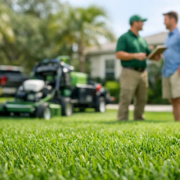
A St. Augustine lawn can look freshly cut on Friday and noticeably shaggy by the following week. Between fast-growing warm-season grass, heavy summer rain, sandy soil, and long growing seasons, recurring lawn mowing plans are not a luxury for many Northeast Florida homeowners. They are the practical way to keep the property looking cared for without giving up your weekends to the mower.

A dependable plan does more than shorten the grass. It creates a consistent maintenance rhythm that supports cleaner edges, healthier turf, stronger curb appeal, and a yard that is ready when guests, neighbors, or prospective buyers pull up.

What Recurring Lawn Mowing Plans Should Include

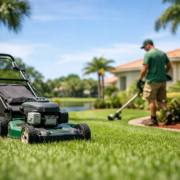
A quality mowing visit should be built around the whole appearance of your lawn, not just a quick pass across the grass. At a minimum, routine service should include professional mowing at an appropriate height, trimming around trees, fences, beds, and other obstacles, edging along hard surfaces, and blowing clippings from driveways, sidewalks, patios, and entryways.

That finishing work matters. A neatly cut lawn with ragged edges or grass scattered across the driveway still looks unfinished. Clean lines around sidewalks and beds make the property look sharper, while regular trimming prevents turf from creeping into areas where it does not belong.

The right plan also accounts for the season. Florida grass does not grow at the same speed all year. During warm, rainy stretches, a yard may need weekly attention to avoid excess growth and clumping. In slower periods, the schedule may be adjusted based on grass growth, weather, and the condition of the property. Good service is consistent, but it is not careless or one-size-fits-all.

Why Consistency Helps Florida Lawns

Letting grass get too tall before mowing creates more than an appearance problem. Removing too much blade height at once can stress the lawn, especially during heat, drought, pest pressure, or heavy foot traffic. It can leave the turf looking thin, uneven, or scalped in spots.

Routine mowing helps maintain a more even canopy across the lawn. That canopy shades the soil, helps retain moisture, and gives the property a fuller, more finished look. Consistent service also makes it easier to spot problems early, such as bare patches, irrigation overspray, weeds taking hold, or areas that are not receiving enough water.

For homeowners, the biggest benefit is often simple reliability. You do not have to watch the forecast, haul equipment from the garage, buy fuel, or spend your day off trying to catch up on an overgrown yard. The work gets handled on a predictable schedule by a crew that knows what a properly maintained Florida lawn should look like.

Choosing the Right Mowing Frequency

Weekly service is often the best fit for St. Augustine and Jacksonville-area lawns during the active growing season. Frequent rain and high humidity can make grass grow quickly, and weekly mowing keeps the property from looking unruly between visits. It also keeps edging and trimming under control, which makes a major difference around driveways, curbs, and landscaping.

Biweekly service may work during cooler months or for properties with slower growth, limited irrigation, or lighter turf coverage. The trade-off is that grass can become taller and harder to manage after a wet week. A biweekly schedule can save money in the short term, but it is not always the best choice for homeowners who want a consistently polished appearance.

The most effective approach is based on your actual yard. Grass type, shade, irrigation coverage, drainage, soil conditions, and how you use the property all matter. A lawn with full sun and working irrigation will often grow differently than a shaded yard with dry spots under mature trees.

Weekly Mowing Is Often Best When

Weekly visits are especially useful for homes with actively growing St. Augustine grass, Bahia grass, or Zoysia; properties on busy streets where curb appeal is highly visible; rental homes; and yards with lots of landscaped edges. If your lawn regularly looks overgrown before the next service, the schedule is probably too far apart.

Biweekly Service Can Make Sense When

A less frequent schedule may be appropriate in winter, during a prolonged dry spell, or when growth slows naturally. It can also be a reasonable choice for a property that is not occupied full time. Still, a professional should evaluate the condition of the turf rather than choosing frequency based on price alone.

A Mowing Plan Is More Valuable With Local Knowledge

Florida lawns are not maintained the same way as lawns in colder climates. Mowing height, blade condition, moisture levels, and timing all affect results. Cutting too low can expose soil, stress grass, and invite weeds. Mowing with dull blades can tear the grass rather than making a clean cut, leaving tips that turn brown and making the lawn look rough even after service.

Local experience also helps when weather changes the plan. A rain-heavy week may require a different mowing approach than a dry, windy stretch. Areas with standing water, newly installed sod, or irrigation repairs may need extra attention. A professional team should know when to adjust, communicate clearly, and protect the lawn instead of rushing through a standard route.

That is one reason homeowners value a local company over an anonymous, volume-driven service. American Blade Lawn Care works with the grass types, weather patterns, and outdoor challenges found throughout St. Augustine and nearby Northeast Florida communities. The goal is not simply to complete a visit. It is to leave the property looking noticeably better every time.

When Mowing Alone Is Not Enough

A recurring plan keeps the lawn orderly, but mowing cannot solve every turf problem. If the grass is thin, weeds are spreading, mulch beds are faded, or the irrigation system is missing sections of the lawn, additional services may be needed to get the yard where you want it to be.

This is where an all-in-one lawn care provider can save time. Instead of calling separate companies for mowing, hedge trimming, weed control, mulch installation, irrigation repair, aeration, or power washing, homeowners can get practical recommendations from one local team. The work can be scheduled around the condition of the property rather than treated as disconnected chores.

For example, a lawn that stays brown in one corner may not need more mowing at all. It may need an irrigation adjustment. A yard that looks messy despite regular cuts may need bed edging, hedge trimming, or fresh mulch to create contrast and definition. A good service plan looks at the full property, not just the grass.

Questions to Ask Before Starting Service

Before choosing a provider, ask what is included on each visit and whether trimming, edging, and cleanup are standard. Ask how the company handles rain delays, whether the schedule changes with seasonal growth, and how they communicate if they notice a lawn issue. You should also ask whether they offer free estimates and can help with related landscape or irrigation needs.

Price matters, but the lowest quote is not always the best value. A bargain service that skips edges, leaves debris behind, or cuts the grass too short can cost more in frustration and lawn recovery later. Look for a provider that is responsive, shows up reliably, and takes pride in the details homeowners see every day.

Put Your Yard on a Schedule That Works

Your lawn is one of the first things people notice about your home, and it should not become another item that hangs over your weekend. The right recurring mowing schedule keeps growth under control, protects the appearance of your property, and gives you a dependable starting point for a healthier outdoor space.

If your yard is growing faster than you can manage or the current service is leaving it looking unfinished, ask for a local evaluation. A customized plan can make regular lawn care easier, cleaner, and far more dependable season after season.
Best Mulch for Weed Prevention in Florida Beds

Best Mulch for Weed Prevention in Florida Beds

A freshly mulched landscape bed can make a St. Augustine home look cared for overnight. But looks are only part of the job. The best mulch for weed prevention creates a barrier that blocks sunlight from reaching weed seeds, helps the soil hold moisture, and gives planting beds a clean, finished edge.

For most Northeast Florida properties, pine bark mulch is the most dependable choice. It performs well in heat, looks natural around palms and shrubs, and breaks down gradually enough to improve the soil without disappearing after one season. Still, the right choice depends on where the bed sits, what is planted there, and how much maintenance you want to avoid.

Why mulch matters in Florida landscapes

Florida weeds do not need much encouragement. Warm temperatures, regular rain, sandy soil, and long growing seasons give them plenty of opportunities to show up in shrub beds, around trees, and along walkways. Mulch cannot stop every weed, especially aggressive weeds that spread by roots or seeds blowing in from nearby areas. It does make the job much easier.

A proper layer shades the soil surface. Without that light, many weed seeds cannot germinate or grow strongly enough to become a visible problem. Mulch also reduces evaporation, which helps ornamental plants handle dry spells between irrigation cycles. In a climate where intense sun can dry a bed quickly, that moisture protection matters.

The key is to treat mulch as part of a complete bed-maintenance plan. Existing weeds should be removed before new mulch goes down. Edges should be defined so grass runners do not creep into the bed. When needed, targeted weed control can handle weeds that make it through the mulch layer.

Pine bark is usually the best mulch for weed prevention

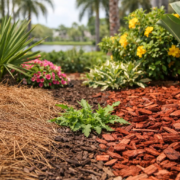
Pine bark comes in several forms, including nuggets, mini nuggets, and shredded pine bark. For many residential flower beds, shredded pine bark or mini nuggets offer the best balance of appearance and weed suppression. The pieces knit together more tightly than large nuggets, leaving fewer open areas where sunlight can reach the soil.

Pine bark also fits the character of Northeast Florida landscapes. Its natural brown color complements palms, ornamental grasses, flowering shrubs, and mature live oaks without making the property look overly formal. As it breaks down, it adds organic material to Florida’s sandy soils, which can help improve soil structure over time.

Large pine bark nuggets can still work well, particularly in larger beds around established trees and broad shrubs. They tend to stay in place better than lightweight mulches during normal irrigation. Their trade-off is coverage: larger pieces leave bigger gaps, so they are not always the strongest option in a bed with constant weed pressure.

For homeowners focused mainly on keeping weeds down, a finer-textured pine bark mulch installed at the right depth is usually the smarter selection.

What about cypress mulch?

Cypress mulch remains a popular option because it has a clean, uniform look and holds up well in wet conditions. It can be a good fit for shaded beds, areas with moisture-loving plants, and properties where a lighter brown mulch is preferred.

However, cypress mulch is often lighter than pine bark and may shift more easily in heavy rain or near downspouts. It can also dry out and become less effective when it is spread too thin. It is a solid landscape material, but it is not automatically better than pine bark for weed control.

Hardwood mulch can work, with the right upkeep

Shredded hardwood mulch is another effective weed barrier because it forms a fairly dense mat across the soil. It is often dark in color and provides a polished contrast against green plants and light-colored homes.

The downside in Florida is that hardwood mulch can decompose quickly in heat and humidity. When it breaks down, the layer becomes thin, and weeds gain an opening. It may need refreshing more often than pine bark, especially in irrigated beds. Hardwood can be a good choice when appearance is the top priority, but it should be checked regularly.

Mulch depth matters more than most homeowners think

Even the best mulch will not prevent weeds if it is installed incorrectly. A layer that is too thin allows sunlight through and dries out quickly. A layer that is too deep can hold excessive moisture against plant crowns and tree trunks, creating conditions that stress roots and invite disease.

For most planting beds, aim for about 2 to 3 inches of mulch after installation. This is enough coverage to suppress weeds while allowing water and oxygen to reach the soil. In beds that already have older mulch, there is rarely a reason to keep adding full layers year after year. The existing material should be assessed, loosened if it has become compacted, and topped off only as needed.

Keep mulch pulled several inches away from the base of shrubs, palms, and trees. Mulch should never be piled against a trunk in a mound. That common practice, sometimes called volcano mulching, traps moisture where it does not belong and can cause bark decay, pest issues, and root problems.

Choose mulch based on where it will be installed

No single product is perfect for every corner of the yard. Beds under oak trees, sunny foundation plantings, poolside landscaping, and drainage-prone areas all have different demands.

In a shaded bed beneath mature trees, pine bark or cypress mulch can help maintain more even soil moisture. Around drought-tolerant shrubs in full sun, pine bark is often a strong choice because it holds up well while still helping the soil stay cooler. For a bed near a roofline or downspout, choose a mulch with enough weight and texture to resist washing away, and make sure drainage is corrected before installation.

Rubber mulch is sometimes advertised as a long-lasting, low-maintenance option. It does not break down, but it also does not improve the soil and can retain heat in sunny areas. For most home landscapes, natural mulch provides better overall value and a more natural finish.

Rock can reduce some weed growth, but it is not a simple substitute for mulch in Florida beds. It absorbs heat, can be difficult to remove, and allows windblown debris to collect between stones. Once organic debris builds up, weed seeds can sprout right on top of the rock. Rock is best reserved for specific design features, drainage areas, or low-planting zones rather than every landscape bed.

New mulch will not fix weeds growing underneath it

One of the most frustrating landscaping mistakes is covering a weedy bed with fresh mulch and expecting the weeds to disappear. Perennial weeds, grass runners, and established roots can push directly through a new layer. The result is a bed that looks good briefly, then becomes harder to clean because the weeds are tangled in fresh material.

The right process starts with bed preparation. Existing weeds and grass should be removed, compacted mulch should be raked out or loosened, and the bed edge should be restored. A professional can then apply appropriate weed control where needed before placing fresh mulch evenly across the area.

Landscape fabric may be helpful beneath decorative rock in selected areas, but it is not always the best answer under organic mulch. Fabric can become clogged with soil and decomposed mulch, weeds can root into the top surface, and removing it later is often a headache. In planted beds, proper mulch depth and routine maintenance are usually more practical.

How often should mulch be refreshed?

Most St. Augustine and Jacksonville-area properties benefit from a mulch refresh once or twice a year. Spring is a popular time because it prepares beds for the growing season and improves curb appeal right away. A fall touch-up can restore beds after summer storms, heavy rain, and the fast decomposition that comes with Florida heat.

You may need attention sooner if mulch has washed away, faded heavily, become thin around plants, or started to look matted and compacted. The goal is not to pile on more material every visit. It is to maintain a clean, even layer that continues to suppress weeds and protect the plants below.

American Blade Lawn Care can help homeowners choose a mulch that fits their landscape, prepare beds correctly, and install a clean, consistent layer without burying plants or making a mess of surrounding turf. A professional mulch installation is one of the fastest ways to improve curb appeal while reducing the weekly battle with weeds.

A well-maintained mulch bed gives your plants room to stand out and gives weeds far fewer places to take hold. Start with the material that fits your yard, apply it at the proper depth, and keep the bed edges clean so the finished look lasts.

Drip Irrigation vs Sprinklers: Which Fits?

Drip Irrigation vs Sprinklers: Which Fits?

A lush St. Augustine lawn, colorful planting beds, and healthy shrubs do not all need water in the same way. That is why the drip irrigation vs sprinklers decision matters for Northeast Florida homeowners. The right system can help your landscape stay healthier through hot weather while reducing waste, avoiding avoidable repairs, and making routine lawn care easier.

For many properties, the best answer is not choosing one system for the entire yard. It is matching the irrigation method to what is growing, how much sun the area receives, and how your property drains after one of our heavy Florida rainstorms.

Drip Irrigation vs Sprinklers for Florida Yards

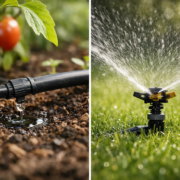
Sprinklers distribute water over a broad area, much like rainfall. They are the familiar choice for turfgrass lawns because they can cover large sections efficiently when the system is designed and adjusted correctly. Pop-up spray heads and rotary heads are common options, each suited to different coverage areas.

Drip irrigation delivers water slowly and directly at the soil surface through tubing and emitters. Instead of watering an entire bed from above, it places moisture near the roots of shrubs, flowers, palms, vegetables, and other landscape plants.

Both systems can work well in St. Augustine and Jacksonville-area landscapes. The trouble starts when a system is used where it does not fit. A sprinkler head that constantly sprays a hedge may leave the lawn too dry and the hedge too wet. Drip tubing installed without enough emitters may water one side of a planting bed while leaving the other side stressed.

Where sprinklers do their best work

Sprinklers are usually the practical choice for lawn areas. St. Augustine grass, Bahia grass, Zoysia, and Bermuda need reasonably even moisture across their root zones. A properly spaced sprinkler system can provide that coverage without running hoses across the yard or relying on hand watering.

They are also useful for wide, open turf areas where drip tubing would require extensive installation and maintenance. If your main goal is keeping a front or back lawn green and growing evenly, sprinklers are generally the stronger option.

However, sprinkler performance depends on design and upkeep. Heads must be spaced for head-to-head coverage, set at the proper height, and aimed away from driveways, siding, fences, and patios. A broken nozzle, sunken head, or mismatched spray pattern can create dry spots, muddy areas, and rising water bills.

Wind is another local consideration. On breezy coastal days, fine sprinkler spray can drift away from its intended target. Watering early in the morning gives the system time to work before heat and wind increase, while also allowing grass blades to dry rather than staying wet overnight.

Where drip irrigation is the better choice

Drip irrigation shines in landscape beds. Mulched beds with shrubs, ornamental grasses, flowering plants, palms, and small trees benefit from slower, targeted watering. The system can supply moisture where plants use it most without soaking the surrounding mulch, hardscape, or lawn.

This direct approach helps reduce evaporation, runoff, and overspray. It can also limit leaf wetness, which is helpful for plants that are more prone to fungal issues when their foliage stays damp. For homeowners who are tired of seeing water spray onto windows, sidewalks, or the side of the house, drip is a cleaner solution.

Drip systems are especially valuable in narrow beds along foundations, fences, and walkways. Those areas are hard to water accurately with conventional sprinklers. A well-planned drip layout can keep plants hydrated without wasting water on the concrete beside them.

Drip is not maintenance-free, though. Emitters can clog, tubing can be cut during planting or edging, and mulch can hide leaks until plants begin to show stress. A filter and pressure regulator are important parts of a dependable drip system, not optional extras. Periodic inspections also make sure every zone is still delivering water evenly.

Water Use Is About Control, Not Just the System

It is easy to assume drip always uses less water and sprinklers always waste it. In many cases, drip is more efficient for planting beds, but the real savings come from proper design, programming, and repair.

A sprinkler zone that runs too long can waste a significant amount of water, especially in compacted soil or on a sloped lawn where water begins flowing toward the street. A drip zone with a cracked line can also run unnoticed for days. Either system needs a controller schedule that reflects the season, rainfall, plant maturity, and soil conditions.

Florida weather changes quickly. A schedule that made sense during a dry spring week may be excessive after several summer storms. Smart controllers and rain sensors can help prevent irrigation during or immediately after rainfall, but they still need correct setup. Technology does not replace an on-site look at how the yard is responding.

Watch for signs that a zone needs adjustment: mushrooms or standing water, yellowing turf, stressed plants despite frequent watering, erosion around beds, or water running down the driveway. These are not simply cosmetic problems. They can point to poor coverage, drainage issues, leaks, or a timer that no longer matches your landscape.

Installation and Repair Considerations

A sprinkler system typically requires underground piping, valves, zones, and properly positioned heads. Installation can be more involved when a property has established hardscape, mature landscaping, or limited access. Still, it is a long-term investment in lawn health and curb appeal when installed with the property layout in mind.

Drip irrigation is often easier to add to an existing landscape bed, particularly during a landscape refresh or mulch installation. Tubing can be routed beneath mulch and adjusted as plants grow. That flexibility is useful, but it also means the layout should be planned for mature plant size rather than only how the bed looks on installation day.

If you are repairing an existing system, avoid treating every issue as a quick head replacement. Low water pressure may signal a leak, a damaged valve, or too many heads on one zone. A dry patch may be caused by blocked nozzles, poor spacing, tree roots, or a landscaping change that now blocks the spray. Finding the source of the problem prevents repeat repairs.

For homes with both turf and landscape beds, separate zones are essential. Lawn sprinklers and drip irrigation require different pressure, run times, and watering patterns. Combining them on the same zone is one of the fastest ways to overwater one area while underwatering another.

The Best Choice Is Often a Combined System

Most well-maintained Florida properties benefit from a combination of sprinklers and drip irrigation. Sprinklers handle the lawn. Drip lines serve the beds, hedges, foundation plantings, and ornamental areas. Each zone can then be programmed based on the needs of the plants it supports.

That approach is particularly effective for homeowners who want an attractive yard without spending their weekends moving hoses, checking dry spots, and guessing whether the irrigation timer is doing its job. It also supports better lawn maintenance because properly watered grass responds more predictably to mowing, fertilization, weed control, and aeration.

A professional irrigation evaluation should consider your grass type, soil, sun exposure, shade from mature trees, slope, drainage, plant material, and current system condition. American Blade Lawn Care can help homeowners identify whether a repair, a zone adjustment, drip conversion, or a full irrigation upgrade makes the most sense for their property.

Before the next dry stretch puts stress on your lawn and landscape beds, take a close look at where your water is actually going. A system that puts the right amount of water in the right place can protect the outdoor space you have worked hard to create.

Free Estimate Lawn Services for St. Augustine

Free Estimate Lawn Services for St. Augustine

A lawn can look fine from the street and still be headed for trouble. Thin grass, stubborn weeds, uneven irrigation, worn mulch beds, and overgrown shrubs all affect how your property looks and how much work it will need later. Free estimate lawn services give St. Augustine and Jacksonville homeowners a practical place to start: a clear look at what the yard needs, what can wait, and what it will cost.

At American Blade Lawn Care, we take the time to look at the full property, not just the grass that needs cutting this week. Northeast Florida yards deal with heat, heavy rain, sandy soil, pests, and long growing seasons. A service plan should account for those conditions and fit the way you use your outdoor space.

What Free Estimate Lawn Services Should Include

A useful estimate is more than a number sent by text. It should help you understand the condition of your lawn, identify visible concerns, and outline the work needed to improve or maintain it. Whether you need weekly mowing or a larger landscape refresh, the goal is to give you a straightforward recommendation without pushing services your property does not need.

During an estimate, we look at the size and layout of the yard, grass condition, edging needs, shrubs and planting beds, drainage concerns, and access around the property. If irrigation is part of the concern, we also consider signs of dry zones, overspray, broken heads, or areas receiving too much water.

That assessment matters because two homes on the same street can need very different care. One yard may need routine mowing and weed control. Another may need aeration, irrigation repair, fresh mulch, hedge trimming, and cleanup before recurring maintenance will deliver the results the homeowner expects.

A clear scope of work

The estimate should spell out what is included. For regular lawn maintenance, that may mean mowing, string trimming, edging hard surfaces, and blowing clippings from driveways and walkways. For a landscape project, it may include bed cleanup, mulch delivery and installation, plant removal, new design elements, or hardscape improvements.

Clear details prevent surprises. They also make it easier to compare options if you are deciding between simple upkeep and a more complete property improvement plan.

Recommendations based on your yard

Florida lawns are not one-size-fits-all. Grass type, shade, soil, irrigation coverage, and foot traffic all affect what will work. A low area that stays wet after storms calls for a different solution than a sunny section that turns brown despite regular watering.

A good provider explains the reason behind the recommendation in plain language. You should know whether a service is meant to improve lawn health, solve a maintenance issue, protect your irrigation system, or improve curb appeal before you approve the work.

When to Request a Free Lawn Service Estimate

Homeowners often wait until the lawn looks completely out of control. That is understandable, but an earlier estimate can save time and prevent smaller issues from becoming expensive repairs. If your grass is thinning, shrubs are blocking windows or walkways, weeds are spreading through beds, or your irrigation is running poorly, it is worth having a local professional take a look.

Spring and early summer are popular times for lawn and landscape work because growth speeds up quickly. However, estimates are just as helpful after a stormy season, before listing a home, after buying a property, or when you are simply tired of managing several outdoor contractors.

A single provider can coordinate mowing, trimming, irrigation work, mulch, power washing, and landscape improvements around one plan. That makes scheduling easier and keeps the property looking consistent from the lawn to the front entry and outdoor living areas.

How Lawn Service Pricing Is Determined

There is no honest flat price that fits every Florida property. Yard size is part of the equation, but it is not the only factor. A compact lot with steep access, dense landscaping, heavy edging, and multiple fenced areas may require more time than a larger open lawn.

The condition of the property also matters. Routine service is typically more predictable after the lawn and beds are brought under control. A first visit may involve extra cleanup, bagging, trimming, weed removal, or debris handling. For project work, material choices, irrigation parts, plant selection, and design complexity can affect the estimate.

The right question is not only, “What does lawn service cost?” It is, “What work will keep my property healthy, clean, and manageable?” A reliable estimate gives you the answer without hiding the scope behind a low starting price.

Routine maintenance versus project work

Recurring lawn care is designed to keep growth under control and protect curb appeal week after week. It is a smart fit for busy families, working professionals, retirees, rental property owners, and anyone who wants their weekends back.

Project work addresses specific problems or upgrades. You may need an irrigation repair to stop waste and dry spots, aeration to support turf health, mulch installation to refresh planting beds, or power washing to remove buildup from exterior surfaces. Some properties need both recurring maintenance and a one-time reset. Others only need a focused repair or seasonal cleanup.

What to Ask Before You Approve Lawn Services

The estimate is your chance to make sure the service fits your goals. Ask how often the lawn should be maintained during the growing season, what happens when weather delays service, and whether the crew will handle clippings and debris. If you have gates, pets, delicate plants, or parking restrictions, mention those details upfront.

For irrigation, ask whether the issue appears to be a broken component, a coverage problem, or a scheduling concern. Running a system longer is not always the answer. Too much water can encourage weeds, disease, and weak roots, while uneven coverage can leave sections of the lawn stressed.

For landscaping, discuss the level of upkeep you want after installation. A dramatic design may look great, but it should still make sense for your budget, sun exposure, and preferred maintenance level. The best landscape plan is one you can enjoy without creating another chore list.

Why Local Florida Experience Makes a Difference

St. Augustine and Jacksonville properties face conditions that generic lawn advice often misses. Salt air can affect coastal areas. Summer rain can create fast growth and drainage problems. Sandy soil may not hold moisture evenly. Shade from mature oaks can change what thrives in one part of a yard compared with another.

Local experience helps identify the practical priorities. Sometimes the first step is not a major landscape installation. It may be restoring dependable irrigation, getting bed edges cleaned up, trimming back overgrown hedges, and establishing regular mowing. Those improvements can make a property look dramatically better while setting the stage for larger work later.

That is also why responsive service matters. When a sprinkler line breaks, storm debris piles up, or a property needs attention before guests arrive, homeowners need a team that understands the area and can provide clear communication.

Get an Estimate That Leads to a Better Yard

A free estimate should leave you with a plan, not more confusion. You deserve to know what your lawn needs now, what can be scheduled later, and how each service supports a cleaner, healthier, more attractive property.

Whether your yard needs dependable weekly care, a landscape cleanup, fresh mulch, irrigation repair, or a complete outdoor refresh, start with a conversation and an on-site evaluation. A well-cared-for lawn does more than improve curb appeal – it gives you an outdoor space that feels ready to enjoy.

Yard Drainage Solutions Guide for Florida Homes

Yard Drainage Solutions Guide for Florida Homes

A heavy Florida rain should leave your yard looking refreshed, not leave puddles around the patio, muddy tracks across the lawn, or water creeping toward the foundation. This yard drainage solutions guide helps Northeast Florida homeowners recognize what is causing the problem and choose a repair that works with the property, not against it.

In St. Augustine, Jacksonville, and nearby communities, drainage problems are rarely just about one low spot. Flat lots, intense summer storms, sandy soil, high groundwater, irrigation runoff, compacted turf, and roof runoff can all contribute. The right answer depends on where the water starts, where it collects, and where it can legally and safely go.

Start With the Source of the Water

Before installing a drain, watch the yard during or immediately after a hard rain. A professional drainage plan begins with that same simple question: where is the water coming from?

Water that spills over gutters or pours from downspouts can quickly wash mulch out of beds and create a trench beside the home. Water that appears in the middle of a lawn may point to a low grade, compacted soil, a broken irrigation line, or a high water table. If one area stays wet for days while the rest of the yard dries, it may be receiving runoff from a neighboring slope, driveway, patio, or roof.

Irrigation deserves attention, too. A zone that runs too long or sprays onto a hard surface can make an existing drainage issue look worse. In some cases, adjusting the irrigation schedule, repairing a leaking head, or redirecting overspray is part of the fix. Drainage and irrigation should be evaluated together, especially in a Florida yard where turf already receives significant rainfall.

Signs Your Yard Needs Drainage Work

Standing water is the obvious warning sign, but it is not the only one. Grass that thins in one area, recurring bare patches, algae on concrete, washed-out mulch, soil erosion, and mosquito activity can all signal poor drainage. You may also see water stains on the home’s exterior, wet soil near the foundation, or pavers that shift after repeated storms.

Do not assume every damp area needs a major system. Some turf areas remain soft for a day after a downpour and recover normally. The concern is water that repeatedly lingers, damages plants or hardscape, limits how you use the yard, or moves toward the house.

Foundation and hardscape issues need prompt attention

A soggy lawn is frustrating. Water that is settling against a slab, crawl space, garage, pool deck, or retaining wall deserves faster action. Over time, uncontrolled runoff can erode soil, undermine pavers, stain exterior surfaces, and create conditions that are harder and more expensive to correct.

Common Yard Drainage Solutions

A reliable drainage system is usually a combination of grading, collection, and discharge. The goal is not simply to move water away from one problem spot. It is to direct it to an appropriate outlet without creating a new issue elsewhere.

Regrading and swales

For many yards, reshaping the grade is the best starting point. Proper grading gives water a gradual path away from the house and away from areas that need to stay dry. A swale is a shallow, gently sloped channel built into the landscape that guides surface water across the property.

Swales work well when there is enough room and a clear downhill route. They can often be blended into the lawn so they do not look like an open ditch. On very flat lots, however, grading alone may not move water quickly enough. That is when a catch basin or drain line may be needed.

Catch basins and underground drain lines

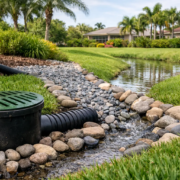
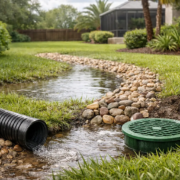
A catch basin collects water at a low point, such as the edge of a patio, driveway, or lawn depression. Underground pipe carries that water to an approved discharge location. This approach is often effective for concentrated surface runoff because it collects water before it spreads across the yard.

The pipe must have the correct slope, be sized for heavy rain, and terminate where the water will not wash back toward the home or onto a neighbor’s property. A drain line that is too flat, clogged with sediment, or routed to the wrong location will not solve the underlying problem.

French drains

A French drain uses perforated pipe surrounded by gravel and wrapped in filter fabric to collect water moving through the soil. It can be a strong choice for persistently wet planting beds, soggy lawn edges, or areas where groundwater and subsurface moisture are part of the issue.

French drains are not a cure-all. In Northeast Florida’s sandy conditions, they may work differently from the way they do in heavier soils. They also need a suitable outlet. Installing one in a low area with nowhere for the water to go can leave you with an expensive trench that still stays wet.

Downspout extensions and drainage connections

Roof runoff can dump a surprising amount of water beside a home during a summer storm. Extending downspouts away from the foundation is often one of the simplest improvements. For larger roofs or tight side yards, downspouts may be connected to solid underground drain pipe that carries water to a planned outlet.

This work should be planned carefully around utility lines, landscaping, irrigation components, and the home’s grade. A downspout should not empty onto a walkway, against a fence, or into a bed where it will erode soil and displace mulch.

Channel drains for patios and driveways

When water flows across a pool deck, patio, garage entrance, or driveway, a channel drain may be the right tool. These long, narrow drains sit flush with the hard surface and intercept runoff before it reaches the wrong area.

Channel drains are especially useful where hardscape changes the natural flow of water. They need regular cleaning because leaves, pine needles, mulch, and lawn clippings can block the grate. A well-built drain still needs basic maintenance to keep working through storm season.

What Not to Do With Excess Water

Avoid quick fixes that simply transfer the problem. Draining water directly onto a neighboring yard, into a street without approval, or into an easement without understanding local requirements can cause disputes and potential compliance issues. Some properties also have drainage restrictions, stormwater systems, protected areas, or homeowner association rules that affect what can be installed.

Dry wells are another solution that requires caution in this region. They can be useful in the right soil and site conditions, but high groundwater or frequent saturation may limit their performance. A local evaluation helps determine whether the water can actually infiltrate or whether it needs to be carried to another approved location.

Adding soil to a low spot without checking the overall grade can also create trouble. Soil placed too high against siding, weep screeds, or exterior features can introduce moisture concerns at the house. The goal is controlled drainage, not simply covering the evidence of a wet yard.

A Practical Plan for a Healthier Lawn

The best time to address drainage is before repeated storms turn a manageable concern into erosion, turf loss, or hardscape damage. Start by taking photos after rain and noting how long water remains in each area. Mark downspout locations, sprinkler heads, patios, driveways, and the direction water travels.

Then have the property evaluated as a complete outdoor system. Lawn health, irrigation performance, landscape beds, mulch, grading, and drainage all affect one another. A drainage repair that protects turf but ignores roof runoff or irrigation can leave part of the problem behind.

American Blade Lawn Care can help homeowners assess problem areas and build a practical plan for a cleaner, healthier, easier-to-maintain yard. The right drainage solution should fit your property’s layout, Florida conditions, and long-term goals – so the next hard rain has somewhere safe to go.

How to Improve Yard Drainage in Northeast Florida

How to Improve Yard Drainage in Northeast Florida

A St. Augustine downpour can expose a drainage problem in minutes. Water gathers along the patio, pools beside the foundation, turns a walkway slick, or leaves the lawn soft for days. If you are wondering how to improve yard drainage, the right answer is not always a bigger drain. It starts with understanding where the water comes from, where it naturally wants to go, and what is preventing it from moving.

Northeast Florida yards face a particular mix of challenges: intense summer rain, flat lots, high water tables, compacted areas from foot traffic, and landscaping that has changed the original grade. A drainage fix that works well on one property may not suit the home next door. That is why a site-specific plan matters.

Start by Finding the Source of the Water

Before installing a drain or bringing in soil, watch the yard during a normal rainstorm and again after it stops. Notice whether water is spilling from gutters, running off a driveway, collecting in a low section of turf, or seeping up from saturated ground. These details point to different solutions.

A puddle directly under a roof edge often means the downspout is releasing too much water too close to the house. Water that collects in a broad, open section of lawn may be caused by a low grade or compacted soil. If the lawn stays wet even when there has been little rain, a high water table or poor soil structure may be part of the issue.

Also look at the timing. A shallow puddle that disappears within a day is different from standing water that remains for several days. In Florida, turf and landscape beds need time to dry after heavy rain, but persistent pooling can weaken grass roots, invite mosquitoes, wash mulch away, and create conditions that stress plants.

Correct the Grade Before Adding More Hardware

Most effective yard drainage improvements use gravity. The goal is to guide surface water away from your home and toward a safe drainage area without creating a problem for a neighbor.

Small grading adjustments can make a major difference. A low spot may need to be filled and reshaped so water moves gradually toward a swale, a designated drain, or a suitable lower area of the property. Near the home, the soil should slope away from the foundation. The exact slope depends on the site, but the principle is simple: water should not be encouraged to sit against the house.

This work requires care. Adding a few inches of soil near a foundation without considering siding, vents, irrigation heads, or existing drainage can create new issues. Raising an entire yard can also affect fences, patios, tree roots, and neighboring properties. For larger grade changes, an experienced landscaping team can evaluate the full layout rather than treating one puddle in isolation.

Swales Can Move Water Naturally

A swale is a shallow, wide channel shaped into the landscape to carry runoff across the yard. Unlike a narrow trench, it can blend into a lawn and remain easy to mow. Swales are often a smart option for larger open yards where water needs a clear path away from a low area.

The key is proper placement and slope. A swale that ends in another low spot simply relocates the problem. It needs an approved outlet or a section of the property that can safely handle the water. In some neighborhoods, drainage easements, retention areas, and local rules also affect what can be done.

Manage Roof Runoff First

Your roof sends a surprising amount of water into the yard during a Florida storm. When gutters overflow or downspouts discharge beside the foundation, even a well-maintained lawn can become saturated.

Keep gutters clear so water reaches the downspouts instead of spilling over the edge. Then extend downspout discharge away from the home, using a route that does not send water toward a driveway, patio, or neighboring property. Depending on the yard, a surface extension may be enough, or the downspout may need to connect to a buried solid pipe that directs water to an appropriate outlet.

Do not assume an underground pipe is automatically better. Pipes need the correct slope, a clear discharge point, and protection from clogs. If there is nowhere for the water to exit, the system can back up and leave the same soggy area you started with.

Choose the Right Drain for the Problem

Drains work best when they match the type of water you are dealing with. A catch basin is commonly used where surface water collects quickly, such as near a patio edge, driveway, or low point in a landscape bed. It captures runoff and sends it through pipe to a planned outlet.

French drains are designed to collect water moving through the soil. They generally use perforated pipe surrounded by gravel and covered with filter fabric. They can help along wet lawn edges or beside hardscapes, but they are not a cure-all. In a yard with a high water table, a French drain may stay full because the surrounding soil is already saturated. The outlet still determines whether the system can work.

Channel drains are often useful across the edge of a driveway, pool deck, or patio where runoff flows over a hard surface. They are more visible than buried systems, but they can keep water from crossing the surface where people walk and from washing into nearby beds.

A professional drainage assessment should consider the water source, soil, elevation, outlet, and how the new system will fit around irrigation lines, utilities, turf, and existing landscaping. Installing the wrong drain can mean paying twice for the same problem.

Improve Compacted Soil and Protect the Lawn

Drainage is not always a drainage-pipe problem. Compacted soil sheds water from the surface instead of allowing it to soak in gradually. In high-traffic areas, around play spaces, or in lawns with heavy equipment use, compaction can leave turf thin and waterlogged after rain.

Core aeration removes small plugs of soil and creates openings for air, water, and nutrients to reach the root zone. It can improve infiltration in a compacted lawn, especially when paired with proper irrigation and healthy turf care. Aeration will not fix a badly graded yard or a failed drain, but it can be an important part of improving overall lawn drainage.

Be cautious about adding heavy layers of sand or topsoil without a plan. Many local yards already have sandy soil, while others contain compacted fill or layered material that drains unevenly. The wrong amendment can create a perched wet area, bury grass crowns, or make the lawn harder to maintain.

Use Landscape Beds to Slow and Direct Water

Landscape design can support drainage rather than fight it. Well-defined beds can help guide runoff, protect bare soil from erosion, and create room for plants that tolerate periodic moisture. Mulch helps reduce splash and soil loss, but it should be installed at an appropriate depth and kept away from the base of plants and structures.

For a wet section of the property, choose plants based on how long the soil stays moist, not just how the area looks on a dry day. A plant that needs consistently dry roots will struggle in a spot that receives roof runoff every afternoon. The same goes for hardscape work. Patios, pavers, and edging should be planned with drainage in mind so they do not form a dam across the yard.

Avoid These Common Drainage Mistakes

Homeowners often try quick fixes because standing water is frustrating. A few shortcuts can make a manageable issue worse:

  • Filling a low spot without checking where the water will go next.
  • Sending downspout water toward a property line or a neighbor’s yard.
  • Installing a French drain with no usable outlet.
  • Covering wet soil with mulch, gravel, or artificial turf and expecting the water problem to disappear.
  • Raising soil too high against the home’s foundation, siding, or vents.

If water is entering the home, threatening the foundation, or repeatedly flooding a major area, treat it as a priority. Temporary measures may protect the area during a storm, but a lasting repair should address the flow of water across the entire property.

When to Call a Local Drainage Professional

A professional evaluation is especially worthwhile when drainage involves foundation runoff, buried pipes, hardscape surfaces, irrigation repairs, or major grading. It is also the right move when previous fixes have failed or when the yard’s drainage pattern is affecting several areas at once.

American Blade Lawn Care works with Northeast Florida property conditions every day, from compacted turf and washed-out mulch beds to irrigation concerns and landscape grading needs. A customized plan can combine drainage improvements with lawn care and landscaping work, so the finished yard looks clean, drains better, and stays easier to maintain.

A dry, usable yard does not have to mean covering every problem with pipe and gravel. Often, the best result comes from a few well-planned changes that move roof runoff, reshape the grade, protect the lawn, and give water a safe place to go. A careful evaluation after the next heavy rain can show exactly where to start.

Pet Safe Lawn Treatments for Florida Yards

Pet Safe Lawn Treatments for Florida Yards

A green Florida lawn can be a favorite place for a dog to run, a cat to explore, and a family to relax. It can also be a challenging place to control weeds, insects, and disease without worrying about what pets may walk through, lick off their paws, or chew on. Pet safe lawn treatments are not about skipping lawn care altogether. They are about choosing the right treatment, applying it correctly, and giving every product enough time to do its job before pets return to the yard.

For homeowners in St. Augustine, Jacksonville, and surrounding Northeast Florida communities, that balance matters year-round. Heat, humidity, sandy soil, heavy rain, and active pests create lawn problems that cannot always be solved with one generic product or one quick spray. A treatment plan should protect your turf while respecting how your family actually uses the property.

What “Pet Safe” Really Means

The phrase “pet safe” can be misleading if it sounds like a product is safe under every condition. Most lawn treatment products carry directions that explain when pets should stay off treated areas, how much product to apply, and what to do if a pet contacts a concentrated material. Those directions are not fine print to ignore. They are the foundation of safe application.

In practical terms, a pet-conscious lawn program uses only the treatment needed for the problem at hand. It avoids blanket applications when spot treatment will work, follows label rates precisely, and keeps pets away during application and until the product has dried or been watered in as directed. The goal is not to treat more. It is to treat smarter.

A yard also needs to be evaluated as a whole. A dog that digs along a fence line, drinks from low spots, or eats grass may need different precautions than a pet that only walks across the lawn for a few minutes. Families with puppies, senior pets, small dogs, or pets with sensitive skin should be especially careful about following re-entry instructions.

Common Lawn Problems in Northeast Florida

Florida lawns face a different set of pressures than lawns farther north. St. Augustine grass, zoysia, bermudagrass, and bahia each respond differently to fertilizer, mowing height, water, and weed control. Applying the wrong product at the wrong time can weaken turf, even before pet safety is considered.

Broadleaf weeds, sedges, crabgrass, chinch bugs, sod webworms, grubs, fungal disease, and nutrient deficiencies are common concerns. Some are easy to mistake for one another. For example, dry-looking patches may come from irrigation coverage, compacted soil, insect activity, fungus, or dog traffic. Spraying for insects when the real issue is a broken irrigation head wastes money and adds an unnecessary treatment to the yard.

That is why diagnosis comes first. A dependable lawn care provider should inspect the grass type, affected areas, soil conditions, drainage, irrigation performance, and recent weather before recommending a treatment. Customized care is safer for pets and more effective for the lawn.

Pet Safe Lawn Treatments Start With Prevention

The best way to reduce chemical use is to make the lawn strong enough to compete with many problems on its own. Healthy turf shades the soil, crowds out weeds, and recovers faster from foot traffic, heat, and pest damage.

Proper mowing is a major part of that work. Cutting grass too short stresses the root system and leaves soil exposed to sunlight, inviting weeds to move in. Keeping blades sharp also creates a cleaner cut, which helps grass recover and look better between visits. Regular edging and trimming keep beds, sidewalks, and fence lines neat without allowing overgrowth to become a larger weed-control issue.

Irrigation is just as important. A lawn that is watered too often may develop shallow roots and conditions that favor fungus. A lawn that receives uneven coverage can develop dry spots that attract pests and leave turf thin. In Florida’s rainy season, it may be necessary to adjust irrigation schedules rather than assume more water is the answer. A working system with properly aimed heads helps deliver water where the grass needs it, not onto driveways, patios, or pet areas.

Aeration can also help compacted lawns by improving air, water, and nutrient movement into the soil. It is not necessary for every yard every year, but it can be valuable where soil has become hard from traffic or where grass struggles despite regular watering and mowing.

Choosing Treatments With Pets in Mind

When a lawn does need treatment, the right approach depends on the specific issue. Weed control may involve a targeted application to problem areas instead of treating every square foot. Insect control should be based on signs of active damage or confirmed pest activity, not just a calendar date. Fertilizer should match the grass type and season so it supports steady growth rather than creating a flush of weak, high-maintenance grass.

Granular products and liquid products each have a place. Granular treatments often need watering in, while liquid treatments commonly require the lawn to dry before people and pets return. Neither format is automatically safer than the other. Safe use comes down to the product, the rate, the placement, and the label instructions.

Natural or organic options may be a good fit for certain homeowners, but “natural” does not automatically mean harmless to pets or effective for every lawn problem. Some natural ingredients can still irritate skin or upset a pet’s stomach if ingested. They may also require more frequent applications or work best as part of a broader prevention plan. A professional recommendation should be honest about those trade-offs instead of promising one product will solve everything.

A Simple Routine After Lawn Service

A few practical habits help keep pets safe after any lawn treatment. Keep dogs and cats indoors or in an untreated area while work is being completed. Ask the service provider what was applied, where it was applied, and when pets can safely return. If the treatment must dry, wait until the lawn is fully dry. If it must be watered in, follow the watering directions before allowing pets back out.

It also helps to pick up pet toys, water bowls, and chew items before treatment day. Store them away from the lawn rather than rinsing them on the grass. If your dog tends to eat grass, supervise outdoor time after service and discourage grazing until the recommended waiting period has passed.

After walks in treated public areas or neighboring yards, wiping your dog’s paws can reduce the chance of tracking residue indoors. This is a sensible habit during wet weather, too, when mud, fertilizer runoff, and lawn debris are more likely to cling to paws.

Questions to Ask Your Lawn Care Provider

A good lawn care company should welcome direct questions about pet safety. You should know whether treatment is truly needed, what issue it addresses, and what precautions apply afterward. Clear communication is part of professional service, especially when pets and children use the same outdoor space.

Ask whether the company can target only affected areas, adjust service around your pet’s routine, and review re-entry guidance with you before leaving. Let the crew know if a pet has allergies, skin sensitivities, a habit of digging, or access to specific parts of the yard. These details can shape the treatment plan.

American Blade Lawn Care takes a property-specific approach because Florida lawns are not all the same. A customized plan can combine mowing, irrigation attention, weed control, aeration, and landscape care in a way that addresses the cause of a problem instead of treating every yard like a template.

When to Call a Veterinarian

If a pet gets into a concentrated lawn product, eats fertilizer or bait, or shows signs such as vomiting, excessive drooling, unusual lethargy, tremors, breathing trouble, or skin irritation, contact your veterinarian or an emergency animal clinic right away. Have the product name and label available if possible. Do not wait to see whether symptoms pass when there is a chance of significant exposure.

For everyday lawn care, the better path is simple: use treatments only when they are needed, follow the directions exactly, and build a healthier lawn through consistent maintenance. Your yard should be a place where green grass, clean edges, and happy paws can coexist with confidence.

Florida Lawn Aeration Benefits for Your Yard

Florida Lawn Aeration Benefits for Your Yard

A St. Augustine lawn can look green on the surface while struggling underneath. Heavy summer rain, regular foot traffic, mowing, and naturally compacted soil can leave grass roots short on air, water, and nutrients. That is where lawn aeration benefits Florida homeowners notice most begin: better conditions below the surface that support a fuller, healthier lawn above it.

Core aeration is not a cosmetic shortcut or a replacement for mowing, irrigation, and weed control. It is a practical service that addresses soil compaction, helping your turf make better use of the care it already receives. For yards across St. Augustine, Jacksonville, and surrounding Northeast Florida communities, that can mean less runoff, stronger roots, and fewer thin areas competing with weeds.

What Lawn Aeration Actually Does

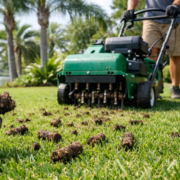
Core aeration removes small plugs of soil and thatch from the lawn. Those openings create room for air, moisture, and nutrients to move into the root zone instead of sitting near the surface or washing away during a storm.

Florida lawns face a particular challenge. Some properties have sandy soil that drains quickly but does not always hold moisture and nutrients well. Others have dense, compacted soil from construction activity, established landscaping, frequent lawn use, or years of routine maintenance without soil relief. Aeration helps relieve that pressure so turf roots can spread deeper and build more resilience.

The small soil plugs left on the lawn are normal. They break down naturally with watering, rainfall, and mowing, returning organic material to the surface. A properly aerated lawn may look temporarily dotted with plugs, but the long-term goal is a stronger root system, not an instant visual change on the day of service.

Lawn Aeration Benefits Florida Homeowners Can See

The biggest advantage of aeration is improved root health. When soil is compacted, roots tend to stay shallow because they cannot easily push through dense ground. Shallow roots dry out faster in Florida heat and have a harder time recovering from heavy rain, disease pressure, pests, and routine wear. Opening the soil gives roots a better path to grow downward.

Aeration also improves water movement. Northeast Florida can receive intense rain in a short period, followed by hot, dry stretches. A compacted lawn may puddle during storms yet still develop dry, stressed patches later because water is not reaching the root zone evenly. Aeration helps rain and irrigation soak in where the grass can use it.

That improved water movement can make irrigation more efficient, but it does not mean every lawn needs less watering immediately. If sprinkler coverage is uneven, heads are damaged, or the schedule is wrong for the season, those issues still need to be corrected. Aeration works best as part of a complete lawn-care plan that includes proper irrigation and mowing practices.

Nutrients benefit, too. Fertilizer and soil amendments are more effective when they can reach the roots instead of remaining near the surface. For a lawn that has been fed but still looks weak or thin, compaction may be part of the problem. Aeration creates access to the root zone, helping the grass use available nutrients more effectively.

Homeowners often appreciate the visible improvements as turf recovers. A healthier root system supports denser grass, richer color, and better recovery from foot traffic. Dense grass also leaves fewer open spaces for weeds to move in. Aeration will not eliminate weeds by itself, but it can support the thick turf that makes weed pressure easier to manage.

When Should You Aerate a Florida Lawn?

Timing matters because Florida lawns are usually warm-season grasses, including St. Augustine, Bermuda, zoysia, and Bahia. These grasses respond best to aeration when they are actively growing and have time to recover quickly. In much of Northeast Florida, late spring through summer is often the most productive window, depending on the grass type, weather, and the condition of the lawn.

Avoid aerating a lawn that is dormant, severely stressed from drought, or saturated after prolonged rainfall. Aerating overly wet soil can create unnecessary mess and may not produce clean plugs. Likewise, aerating during a period of weak growth can leave turf slow to recover.

There is no one calendar date that fits every property. A sunny St. Augustine yard with established irrigation may be ready at a different time than a shaded lawn, a newly installed lawn, or a yard with drainage concerns. That is why a local evaluation matters. The right timing depends on the grass, the soil, the recent weather, and what else your lawn needs.

Signs Your Yard May Need Aeration

You do not need to guess based on appearance alone. A lawn may benefit from aeration when water pools or runs off instead of soaking in, grass thins in high-traffic areas, or the ground feels hard underfoot. Bare spots where kids, pets, or outdoor furniture regularly affect the lawn can also point to compaction.

Another common sign is a lawn that seems to receive proper watering and fertilizer but still lacks strong growth. If irrigation is working, mowing height is appropriate, and the grass continues to struggle, restricted root growth may be limiting results. Thatch buildup can create similar symptoms by forming a layer that blocks water and nutrients from reaching the soil.

Newer homes deserve special attention. Construction equipment, fill soil, and repeated traffic during installation can compact a yard before the homeowner ever moves in. Aeration can be especially useful for helping an established lawn recover from those conditions, though a new lawn should be evaluated before any aggressive service is performed.

Aeration Is Stronger With the Right Lawn Care Plan

Aeration delivers the best results when it is paired with consistent follow-up care. After the service, the lawn needs proper watering to encourage recovery and help the soil plugs break down. Normal mowing can continue once the turf is dry enough, but blades should be sharp and the mowing height should suit the grass type.

This is also a good time to look at irrigation performance. Sprinklers that miss sections of the yard, overspray hardscapes, or run too long can undermine the progress aeration creates. Weed control, seasonal fertilization, and mowing on a dependable schedule all help protect the investment by keeping the grass thick as roots develop.

For many properties, annual aeration is useful. Heavily used lawns, compacted clay areas, and yards with ongoing drainage concerns may need more attention. On the other hand, a low-traffic lawn with loose sandy soil and strong turf may not need aggressive aeration every year. More is not always better. The goal is to give the lawn the soil relief it needs without treating every yard the same way.

Professional Aeration Helps Avoid Costly Guesswork

Rental equipment can be difficult to handle, especially around irrigation heads, landscape borders, buried utilities, and tight access areas. A professional service starts with the condition of the yard, identifies trouble spots, and uses the right approach for the grass and soil. That saves homeowners from turning a weekend project into damaged turf or broken irrigation.

American Blade Lawn Care provides customized aeration recommendations for local properties because a lawn near the coast, a shaded backyard, and a high-traffic family yard should not be treated as identical. The focus is simple: improve the conditions that help your lawn grow thicker, healthier, and easier to maintain.

If your grass has looked tired despite regular care, do not assume it needs more water or more fertilizer. Sometimes the best next step is giving the roots room to breathe, grow, and do the work a healthy Florida lawn is supposed to do.

How to Revive St. Augustine Grass in Florida

How to Revive St. Augustine Grass in Florida

A St. Augustine lawn can go from thick and green to thin, yellow, and patchy faster than most homeowners expect. Summer heat, sandy soil, heavy rain, irrigation problems, pests, and mowing mistakes all put pressure on this popular Florida turf. The good news is that knowing how to revive St. Augustine grass starts with identifying why it is struggling instead of treating every brown spot the same way.

Start by Finding Out What Is Hurting the Lawn

St. Augustine grass spreads through above-ground runners called stolons. If those runners are green and flexible near the soil, the lawn may be stressed but still recoverable. If the runners are brittle, brown throughout, and pull up easily with no healthy roots, parts of the lawn may need new sod or plugs.

Look closely at the pattern of damage. A lawn that is pale or thin across the entire yard often points to watering, nutrient, soil, or mowing issues. Round brown patches that keep enlarging can indicate a fungal disease, especially during humid weather. Irregular dead areas near sidewalks, driveways, or pet spots may be caused by heat reflection, salt, foot traffic, or chemical damage.

In Northeast Florida, chinch bugs are another common reason for declining St. Augustine. They often cause expanding yellow-to-brown areas in sunny portions of the yard, and the grass may look drought-stressed even when it has been watered. A professional inspection can separate pest damage from drought or disease, which matters because the wrong treatment can make the problem worse.

How to Revive St. Augustine Grass With Better Watering

A thirsty lawn is not always a lawn that needs daily watering. Frequent light watering encourages shallow roots, and shallow roots struggle when Florida heat arrives. Instead, water deeply enough to moisten the root zone, then allow the surface to begin drying before the next cycle.

Most established St. Augustine lawns need about an inch of water per week from rainfall and irrigation combined. In hot, dry stretches, that may mean two longer watering cycles each week. Sandy soils drain quickly, so every yard is different. A lawn with shade, heavier soil, or recent rainfall will need less water than an open, sunny lawn near the coast.

Water early in the morning whenever possible. Evening watering leaves the blades wet overnight and creates a better environment for fungal problems. If your lawn is dry in some places and soggy in others, do not assume the grass is the issue. Broken sprinkler heads, clogged nozzles, poor coverage, or incorrect timer settings are often the real problem.

A simple catch-can test can reveal whether every zone is delivering water evenly. Place a few straight-sided containers around the lawn during a watering cycle and compare the amounts collected. Large differences are a clear sign that the irrigation system needs adjustment or repair.

Raise the Mowing Height and Protect the Blades

St. Augustine grass does not respond well to being cut short. A low mowing height exposes the soil to more heat, weakens the root system, and gives weeds a chance to move in. For most Florida lawns, keep St. Augustine around 3.5 to 4 inches tall, adjusting slightly for your specific variety and growing conditions.

Never remove more than one-third of the grass blade in a single mowing. If the lawn is overgrown after a rainy week, raise the mower and bring it down gradually over the next few cuts. Scalping an already stressed lawn can turn a manageable recovery into a larger sod replacement job.

Sharp mower blades are just as important. Dull blades tear grass rather than making a clean cut, leaving brown tips across the yard and increasing stress on the turf. Regular mowing with clean, sharp equipment helps the lawn grow more evenly and keeps its color looking healthier.

Feed the Lawn Only When It Can Use the Nutrients

Fertilizer is helpful when St. Augustine is actively growing, but it is not a cure for every lawn problem. Applying fertilizer to grass that is drought-stressed, diseased, or damaged by insects can push weak growth and create more trouble. First correct the cause of the stress, then use a lawn-appropriate fertilizer program based on the season and your property’s needs.

Florida’s sandy soils do not hold nutrients for long, so St. Augustine often benefits from properly timed applications during the active growing season. Iron can also improve color when a lawn is pale but otherwise healthy. However, green color alone does not mean the grass has a strong root system. Overfertilizing can lead to excessive growth, thatch buildup, nutrient runoff, and more mowing.

Local fertilizer rules and seasonal conditions can affect what should be applied and when. A customized plan based on your grass, soil, irrigation, and shade level is more dependable than applying the same product at the same rate to every lawn.

Address Thatch, Compaction, and Soil Problems Carefully

A little thatch is normal in St. Augustine grass. A thick, spongy layer between the green blades and soil is not. When thatch becomes excessive, water, air, and nutrients have a harder time reaching the roots. The lawn may feel soft underfoot, dry out quickly, and become more vulnerable to insects and disease.

Avoid aggressive dethatching with a power rake. St. Augustine is more easily damaged than some other turf types, and harsh removal can tear up its runners. In many cases, correcting mowing and fertilization practices is the best long-term way to reduce thatch. Core aeration may help compacted lawns, especially where foot traffic, heavy equipment, or dense soil prevents water from soaking in. Timing and technique matter, because aerating a weak or diseased lawn can add stress.

If water runs off instead of soaking in, or if the yard stays wet long after rain, drainage may be part of the problem. Low spots, compacted areas, and irrigation leaks all affect root health. A healthy lawn needs moisture, but it also needs oxygen in the soil.

Control Weeds, Pests, and Disease Without Guesswork

Weeds are usually a symptom of thin turf, not the original cause. They take advantage of bare soil, low mowing heights, weak roots, and uneven watering. Improving lawn density is the strongest long-term weed defense, but existing weeds may still need targeted treatment.

Be careful with herbicides, particularly during hot weather or when the lawn is already struggling. Some products can injure St. Augustine grass if they are not labeled for it or applied incorrectly. The same goes for insect and disease treatments. Chinch bugs, grubs, sod webworms, brown patch, and gray leaf spot require different solutions.

When a brown area is spreading, do not keep adding water or fertilizer hoping it will green up. Take a closer look before acting. Fast diagnosis protects the healthy areas of the yard and avoids spending money on treatments that do not fit the problem.

Repair Bare Areas With Sod or Plugs

St. Augustine grass is typically repaired with sod or plugs, not seed. For small bare spots, healthy plugs can spread into the surrounding area when they receive consistent moisture and proper mowing. Larger damaged sections usually look better and establish faster with fresh, matching sod.

Prepare the area first by removing dead material, correcting soil or drainage issues, and leveling the ground. New sod needs frequent watering at the beginning, but it should not stay saturated. Once the roots begin to anchor, transition to deeper, less frequent watering so the grass develops a stronger root system.

Recovery is rarely overnight. A stressed lawn may show improved color within a few weeks after its watering and mowing issues are corrected, while thin sections can take a full growing season to fill in. Dead areas caused by pests, disease, shade, or irrigation failure will not recover until the underlying issue is fixed.

For homeowners who want clear answers and a practical plan, American Blade Lawn Care can evaluate the lawn, irrigation, mowing needs, and damaged areas together. The goal is not to sell a one-size-fits-all treatment. It is to give your St. Augustine grass the conditions it needs to grow thick again and keep your property looking cared for.

What Causes Brown Lawn Spots in Florida?

What Causes Brown Lawn Spots in Florida?

A brown patch in an otherwise green St. Augustine lawn is rarely just an appearance problem. In Northeast Florida, heat, humid nights, sandy soil, heavy rain, and irrigation demands can all stress turf quickly. If you are asking what causes brown lawn spots, the honest answer is that the pattern, timing, and location of the damage matter as much as the color itself.

The wrong fix can make the problem worse. Extra water may help drought stress but feed a fungus. More fertilizer may help a thin lawn but burn already stressed grass. A close look at the patch before treating it can save time, money, and a larger repair later.

What Causes Brown Lawn Spots in St. Augustine Lawns?

Brown areas generally come from one of five sources: watering problems, lawn disease, insects, physical damage, or weak growing conditions below the surface. Florida lawns often deal with more than one at the same time. For example, an irrigation head that misses one area can weaken the grass, then chinch bugs or disease move into that stressed section.

Start by looking at the shape of the patch. A dry, irregular area near pavement or a sprinkler head points toward watering or heat stress. A circular patch that expands after wet, humid weather may point to fungus. Brown grass that pulls up easily or has damaged roots deserves a closer inspection for insects, disease, or poor drainage.

Uneven Watering and Irrigation Problems

Irrigation issues are among the most common causes of brown spots in Florida yards. Sandy soil drains fast, and St. Augustine grass can show drought stress quickly in hot weather. You may notice folded or blue-gray blades before the lawn turns brown.

Still, running sprinklers longer is not always the answer. Broken heads, clogged nozzles, poor sprinkler coverage, leaks, and incorrect timer settings can leave one part of the yard thirsty while soaking another. Overwatered turf can develop shallow roots and become more vulnerable to fungal disease.

Check whether the brown area lines up with the reach of a sprinkler zone. Run that zone during daylight and watch for dry gaps, blocked spray patterns, heads watering the sidewalk instead of the grass, or low pressure. Early-morning watering is usually the better choice because grass blades have time to dry after sunrise. Evening watering can leave moisture on the lawn overnight, creating favorable conditions for disease.

Fungal Disease After Heat and Rain

Florida’s warm, humid weather gives lawn fungi plenty of opportunity. Large patch, sometimes called brown patch, is common in cooler, wet periods and may create expanding rings or irregular circular areas with a darker edge. During hotter months, gray leaf spot and other fungal issues can thin or discolor St. Augustine grass, especially when the lawn stays wet for long stretches.

Disease is not always obvious from a distance. Look closely at the leaf blades and surrounding turf. You may see spots, a tan or gray appearance, thinning growth, or a patch that seems to spread outward over several days. Wet weather, excessive nitrogen fertilizer, heavy thatch, poor airflow, and frequent nighttime irrigation all increase the risk.

Fungicide may be appropriate in some cases, but it is not a cure for the conditions that started the problem. The lawn also needs better moisture management, proper mowing, and a fertilizer plan that fits the season and grass type. Treating every brown patch as fungus without diagnosing it first can waste money and leave the real problem untouched.

Chinch Bugs, Caterpillars, and Other Lawn Pests

Chinch bugs are a major concern for St. Augustine lawns in Florida. They feed by sucking moisture from grass blades and injecting toxins that make turf look dry, even when it has been watered. Damage often begins in sunny, hot areas, along driveways, sidewalks, and curbs, then expands in irregular patches.

A chinch bug problem can look a lot like drought stress. The difference is that water does not bring the grass back, and insects may be present near the transition between green and brown turf. Sod webworms can also cause patchy brown areas by feeding on grass blades, while grubs may cause turf to loosen because they damage the roots.

Pest treatment should match the pest and its life cycle. Applying a general product without confirming the issue can harm beneficial insects and may not stop the damage. A lawn professional can inspect the active edge of the patch, identify likely pest pressure, and recommend the right treatment rather than guessing.

Mowing Damage, Dull Blades, and Scalping

A lawn can turn brown simply because it was cut too short. Scalping is especially common when grass has grown too tall between cuts, the lawn is uneven, or a mower is set too low. The mower removes too much green tissue at once and exposes stems and soil. In strong Florida sun, that stressed area can brown quickly.

Dull mower blades are another overlooked cause. Instead of making a clean cut, they tear the grass blade, leaving ragged brown tips across the lawn. This can make a healthy lawn look faded and can create entry points for disease.

For St. Augustine grass, mowing height should support healthy roots and shade the soil. The ideal height depends on the variety, time of year, and site conditions, but consistently cutting too low is never a long-term answer. Regular mowing with sharp equipment gives the lawn a cleaner look and helps it recover from seasonal stress.

Pet Urine, Fertilizer Spills, and Chemical Damage

Small, sharply defined brown circles are often caused by concentrated salts or nitrogen. Dog urine is a familiar culprit, especially in the same areas of the yard. Fertilizer spills, improperly mixed weed control products, gasoline, cleaning chemicals, and pool water can create similar burn marks.

A brown spot with a dark green ring around it is a common sign of concentrated nitrogen, although it is not proof on its own. Diluting fresh pet urine with water can reduce damage, but repeatedly watering a spot without understanding the cause can create its own issues. For fertilizer or chemical damage, the best response depends on what was applied, how much reached the turf, and how recently it happened.

Compacted Soil, Shade, and Root Stress

Not every brown spot starts above ground. Compacted soil limits air and water movement around the roots. Thatch buildup can keep moisture and nutrients from reaching the soil where they are needed. In shady areas, St. Augustine may simply struggle to receive enough sunlight to maintain dense growth.

Drainage matters, too. A low spot that stays wet after rain can lose healthy roots even though the lawn is receiving plenty of water. Brown turf in these areas may be a sign that the soil is staying saturated, not dry. Aeration, drainage improvements, soil-focused care, and adjusted plant choices can make a bigger difference than repeated surface treatments.

How to Diagnose Brown Lawn Spots Before They Spread

Before applying anything, take a few minutes to inspect the lawn. This short process can narrow down the likely cause:

  • Check the irrigation zone that serves the brown area and look for missed coverage, leaks, or overspray.
  • Compare the patch with nearby green grass. Notice whether the transition is gradual, circular, sharply defined, or moving outward.
  • Inspect the leaf blades and roots. Spots on blades, chewed edges, loose turf, or blackened roots each tell a different story.
  • Think back over the past two weeks. Heavy rain, a fertilizer application, a mowing change, pet activity, or landscaping work can provide the missing clue.

Take photos every few days if the damage is changing. A patch that grows despite proper watering needs attention sooner rather than later. Dead turf does not always return on its own, and early action can prevent a small trouble spot from becoming a larger sod repair.

When Professional Lawn Care Makes Sense

A homeowner can often correct a blocked sprinkler head or raise a mower deck. But recurring brown spots, spreading patches, irrigation concerns, or widespread thinning usually call for a more complete evaluation. The visible damage may be only one part of the issue.

American Blade Lawn Care can assess the grass type, watering coverage, mowing conditions, pest pressure, and soil-related concerns affecting your property. From irrigation repair and recurring maintenance to targeted lawn treatments, the goal is to give your yard the care it actually needs instead of applying a one-size-fits-all fix.

A healthy Florida lawn is built through consistent attention, not a quick spray or a single heavy watering. When brown spots show up, treat them as a signal from the yard – then get the right diagnosis and a practical plan to bring the green back.