Why Is My Lawn Patchy? Florida Causes and Fixes
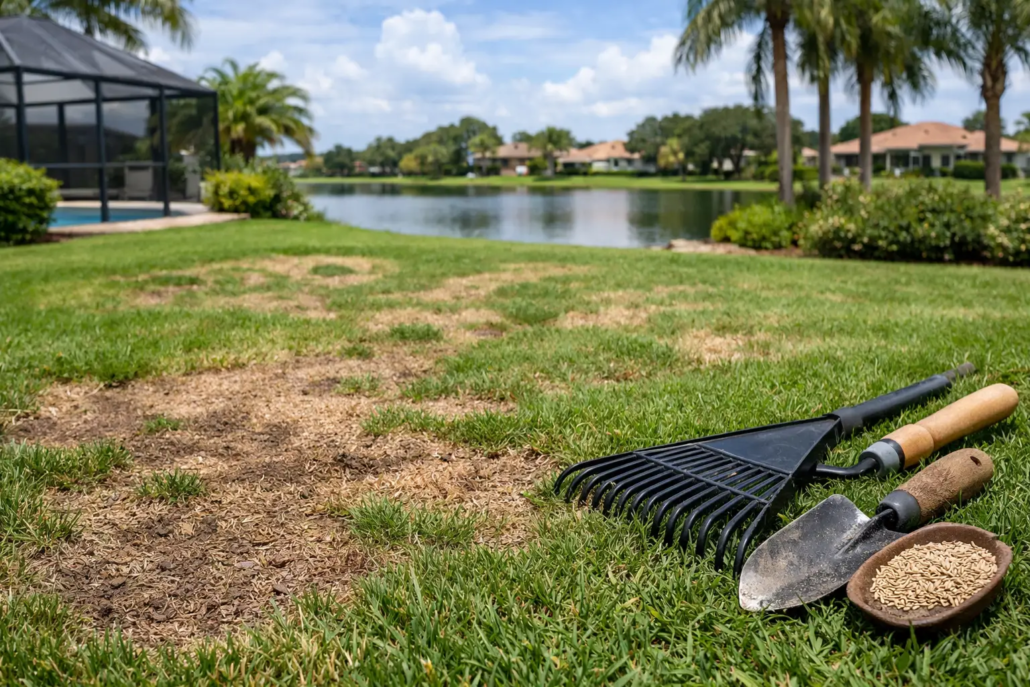
A lawn can look green from the street and still have frustrating thin spots, bare circles, and mismatched color up close. If you are asking, “why is my lawn patchy,” the answer is usually not simply that it needs more water or fertilizer. In St. Augustine, Jacksonville, and throughout Northeast Florida, patchy turf often points to a specific issue with irrigation, mowing, soil, pests, shade, or the grass itself.
The good news is that most patchy lawns can improve when the real cause is identified first. Throwing seed, fertilizer, or extra water at every bare spot can waste money and sometimes make the problem worse.
Why Is My Lawn Patchy in Northeast Florida?
Florida lawns work harder than lawns in many other parts of the country. Our long growing season, intense summer rain, sandy soils, humidity, and occasional cold snaps all affect turf health. St. Augustine grass, Bermuda grass, zoysia, and bahia grass each respond differently to those conditions.
A patchy lawn may have one cause or several. For example, an irrigation head may miss part of the yard, leaving grass stressed. That weakened turf can then become more vulnerable to chinch bugs, weeds, or disease. The fastest path to a fuller lawn is to look for the pattern behind the damage.
Uneven irrigation coverage
Irrigation problems are one of the most common reasons a lawn becomes thin or patchy. A sprinkler head may be clogged, tilted, buried by turf, broken, or aimed at the driveway instead of the grass. In some yards, one zone runs too briefly while another section gets soaked every time it comes on.
Dry areas typically look gray-green before turning brown, and the grass may feel crunchy underfoot. Overwatered areas can also thin out, especially in humid weather, because constantly wet soil encourages fungal problems and weak root growth.
Do not assume your irrigation system is working because it turns on. Run each zone during daylight and watch it closely. Look for missed strips, weak spray, runoff, and heads that spray shrubs, sidewalks, or the side of the house. A repaired or properly adjusted system often makes a visible difference within a few weeks during the growing season.
Too much shade for the grass type
A mature oak canopy can make a Florida property beautiful, but it can also create a difficult growing environment. Grass needs enough sunlight to produce energy and recover from mowing, foot traffic, heat, and pests. St. Augustine grass handles partial shade better than Bermuda, but even St. Augustine will struggle under dense tree cover.
Shade is not only about sunlight. Tree roots compete with turf for moisture and nutrients, while falling leaves can trap moisture and block light. If bare spots consistently appear under the same trees or along the north side of the home, changing your mowing or fertilizer schedule alone will not solve the problem.
Sometimes selective pruning can improve light and airflow. In heavily shaded areas, a mulch bed, shade-tolerant plants, or another landscape solution may be more reliable than repeatedly replacing grass that cannot thrive there.
Compacted soil and thatch buildup
Foot traffic, heavy mowing equipment, construction activity, and naturally sandy or compacted areas can prevent water, air, and nutrients from reaching the root zone. Grass in those areas may remain thin even when the rest of the lawn receives proper care.
Thatch is another concern. It is the layer of dead stems and organic material between green grass blades and the soil surface. A small amount is normal, but excessive thatch can keep moisture and fertilizer from reaching roots effectively. St. Augustine grass can develop thatch when it is overfertilized, overwatered, or cut improperly.
Aeration can help in suitable lawns by opening the soil and encouraging stronger root development. Whether aeration is the right move depends on the grass type, soil condition, and source of the thinning. A lawn evaluation should come before any major treatment so the work matches the actual problem.
Mowing too low or with dull blades
Scalping is a common cause of patchy turf, especially when a lawn grows too tall between cuts and then gets cut down aggressively. Removing too much leaf blade at one time shocks the grass, exposes soil to heat, and creates opportunities for weeds to take over.
St. Augustine grass generally needs a higher mowing height than Bermuda grass. Cutting every lawn at the same setting is a recipe for uneven results. Dull mower blades create another problem by tearing rather than cleanly cutting the grass. The damaged blade tips turn brown, making the lawn look unhealthy even when the roots are still sound.
A consistent mowing schedule, proper mower height, and sharp blades help turf stay dense. Regular edging also keeps grass from creeping into beds and hardscape areas, giving the whole property a cleaner, more cared-for appearance.
Chinch bugs, grubs, and lawn disease
In St. Augustine lawns, chinch bugs can cause fast-moving patches of yellowing or brown grass, often beginning in hot, sunny areas near pavement. The damage can resemble drought stress, but watering more will not eliminate the insects. If the edges of a damaged patch continue expanding while nearby turf declines, pest activity should be considered.
Grubs feed below the surface and can weaken roots, causing turf to lift easily from the soil. Sod webworms and other insects can also create irregular thinning. The right treatment depends on identifying the pest correctly. Applying an insect treatment without a confirmed issue is not a smart long-term lawn care strategy.
Fungal disease is also common during warm, wet stretches. Large patch and gray leaf spot can affect St. Augustine grass, while other diseases may show up after extended rainfall or poor drainage. Fungus often creates circular or irregular discolored areas, but the pattern can vary. Reducing excess moisture, improving airflow, and using the right lawn treatment can prevent a small issue from spreading across the yard.
Weeds are filling gaps, not causing all of them
Weeds are often blamed for a patchy lawn, but they are usually a symptom of thin turf rather than the original cause. When grass loses density because of shade, pests, poor mowing, or irrigation issues, weeds gain open space to establish themselves.
A targeted weed control plan can help reclaim the lawn, but it needs to be paired with corrections to the underlying condition. Otherwise, weeds may disappear temporarily only to return in the same weak areas later.
How to Tell What Is Causing the Patchiness
Start by paying attention to where and when the patches appear. Damage that follows sprinkler zones suggests an irrigation concern. Thin grass under trees points toward shade and root competition. Brown areas that develop in full sun during hot weather may involve chinch bugs, drought stress, or mowing damage.
Check the soil beneath a weak section. Is it powdery dry, soggy, packed hard, or covered by a thick thatch layer? Tug gently on the grass. Turf that comes up easily may have root damage from grubs or disease. Also compare the troubled area with healthy grass nearby. Differences in mowing height, water coverage, sunlight, or soil level can reveal more than the color of the blades alone.
Photos taken every week can be useful, especially during summer. They show whether the patch is spreading, improving, or staying in one place. This information makes a professional lawn evaluation more accurate and helps avoid unnecessary treatments.
What Actually Helps a Patchy Lawn Recover
Recovery starts with correcting the source of stress. If irrigation is uneven, repair and adjust the system before increasing water use. If the lawn is being cut too short, raise the mower height and maintain a dependable schedule. If drainage is poor, address the water issue before adding fertilizer or new sod.
Fertilizer can support recovery, but timing and product choice matter. A stressed, diseased, or insect-damaged lawn will not be fixed by more fertilizer. In some cases, excess nitrogen encourages fast top growth while roots remain weak. Florida turf responds best to a customized program based on the grass type, season, soil, and current condition.
Bare areas may need plugs, sod, or other restoration after the underlying problem is handled. Seeding is not the best answer for every Florida lawn, particularly for common St. Augustine varieties that are typically established with sod or plugs. A good repair should blend with the existing turf and have the water, sunlight, and root conditions needed to survive.
For homeowners who want a clear answer instead of trial and error, American Blade Lawn Care can evaluate the lawn, irrigation, mowing needs, and surrounding landscape conditions as one connected system. That approach helps protect your investment and gives each part of the property the attention it needs.
A patchy lawn is your yard asking for a closer look. Address the reason behind the bare spots now, and you can give the grass a real chance to grow back thicker, greener, and easier to maintain.


Leave a Reply
Want to join the discussion?Feel free to contribute!