
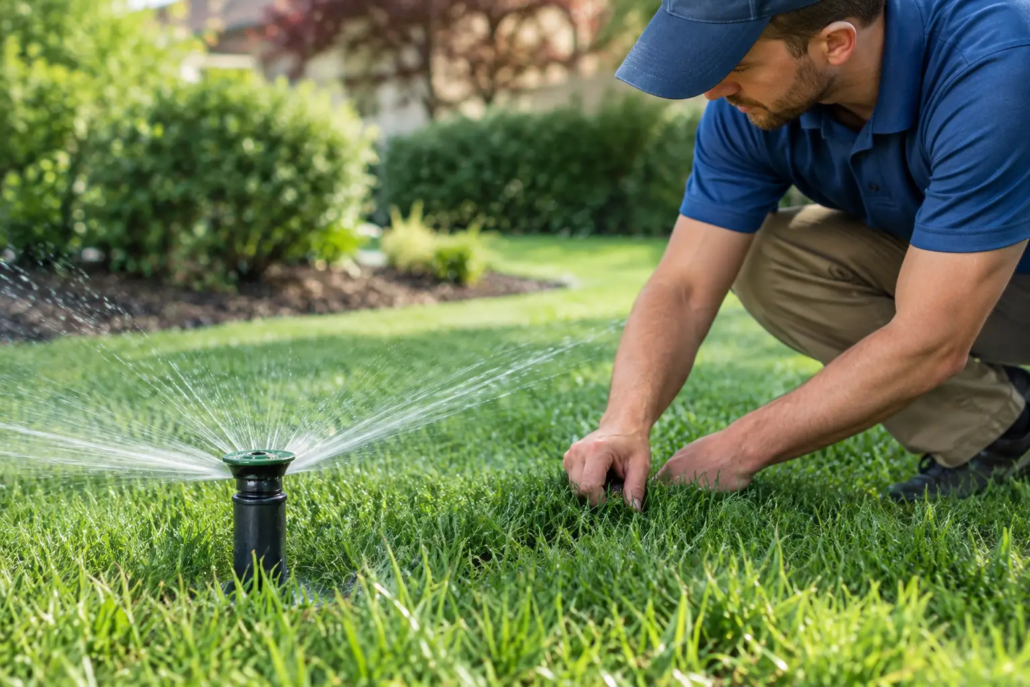
Five Signs Irrigation Needs Repair at Home
A sprinkler system can appear to be working because you hear it click on each morning. But a few minutes of watering does not mean every zone is doing its job. In St. Augustine and Jacksonville, sandy soils, summer heat, heavy rain, and fast-growing turf can reveal irrigation problems quickly. Knowing the five signs irrigation needs repair helps you protect your lawn before a small issue becomes dead grass, muddy beds, or an expensive water bill.
A healthy system delivers the right amount of water where it is needed, without soaking the driveway, street, house, or mulch beds. If your landscape looks uneven even though the timer is set correctly, the system may need more than a schedule adjustment.
Five Signs Irrigation Needs Repair
1. Dry or brown patches show up in one area of the lawn
A dry patch that keeps returning in the same spot is one of the clearest warning signs. St. Augustine grass can handle Florida heat better when it receives consistent moisture, but it will thin out and discolor when one sprinkler head is blocked, clogged, tilted, damaged, or set too low to clear the grass.
Before assuming the entire lawn needs more water, watch that zone run. A head may not pop up fully, or its spray pattern may be cut short by turf, mulch, or a nearby plant. In some cases, the nozzle is simply clogged with sand or debris. In others, low pressure caused by a leak or valve issue prevents water from reaching the far edge of the zone.
Watering longer is not always the answer. It can overwater the parts of the lawn that are already receiving adequate coverage while the dry area stays stressed. A repair and a proper coverage adjustment are usually the better fix.
2. You see puddles, soft soil, or water running down the curb
Florida rain can leave the yard wet for a while, but standing water after a normal irrigation cycle deserves attention. Soggy turf, pooling around a sprinkler head, wet spots near a valve box, or water flowing into the street can point to a broken pipe, cracked fitting, leaking valve, or damaged sprinkler head.
A leak underground may not create a dramatic fountain. Sometimes the only clue is a section of lawn that stays soft, greener than the surrounding grass, or unusually fast-growing. Water may be escaping below the surface every time that zone runs.
Runoff is another concern. If water sprays onto pavement or pours down a slope before soaking in, the head may be aimed incorrectly, the nozzle may be too large, or the run time may be too long for the soil and landscape grade. Repairing the issue saves water and helps prevent erosion, washed-out mulch, and stained hardscape surfaces.
3. Sprinkler heads sputter, spray weakly, or fail to pop up
A sprinkler head should rise, rotate or spray as designed, and distribute water in a consistent pattern. Heads that sputter, mist into the air, spray only a few feet, or remain stuck in the ground are not providing reliable coverage.
Sometimes the repair is straightforward, such as replacing a broken nozzle or clearing debris from a head. However, weak performance across an entire zone can signal a larger pressure problem, a partially closed valve, a line leak, or a failing zone valve. If one head is spraying like a geyser while another barely works, the issue may be affecting how water is being distributed through that zone.
Mowing and edging can also expose problems. A head that sits too high can be struck by equipment, while one buried under grass cannot water effectively. Regular inspection keeps these small problems from becoming broken pipes or stressed turf.
4. Your water bill rises without a clear reason
A higher bill is not always caused by a leak. Seasonal watering changes, new landscaping, guests, or a timer that was adjusted for dry weather can all increase water use. Still, a sudden or unexplained jump deserves a closer look, especially if your irrigation schedule has not changed.
An underground leak can waste a surprising amount of water without being obvious from the surface. A valve that does not close completely may allow water to continue seeping after the system shuts off. You may notice a constantly wet area near the irrigation equipment, a puddle by the curb, or a zone that seems to run when it should be off.
Checking the system zone by zone can help narrow down the source. It is also wise to look at the controller settings. A power outage, battery failure, seasonal adjustment, or programming error can cause the system to run more often than intended. The right solution depends on whether the issue is mechanical or simply a scheduling problem.
5. A zone will not start, will not stop, or runs at the wrong time
Your irrigation controller is supposed to make lawn care easier. When a zone skips its scheduled cycle, starts at odd hours, runs twice, or refuses to shut off, the lawn and your water use can suffer quickly.
A zone that will not run may have a controller issue, damaged wiring, a bad solenoid, or a valve that is stuck closed. A zone that continues running after the controller turns off may have a valve that is stuck open or damaged internally. These are problems worth addressing promptly, particularly during hot weather when one missed zone can stress a lawn and one runaway zone can create a flooded area.
Do not assume the controller is the only culprit. Replacing a timer will not fix a damaged valve, and replacing a valve will not help if the wiring or controller is failing. A professional inspection can identify the actual source of the problem before money is spent on unnecessary parts.
What to Do When You Notice an Irrigation Problem
If you spot one of these five signs irrigation needs repair, take a quick look while the system is running. Note which zone is affected, where water collects, whether a head is damaged, and whether the problem happens every cycle. That information can make diagnosis faster.
Avoid digging around suspected leaks or trying to force a stuck valve if you are not sure where the lines are located. Irrigation systems have underground piping, electrical wiring, valves, and connections that can be damaged further by guesswork. Turning off the affected zone or pausing the controller is often the safest short-term step when water is actively leaking or flooding an area.
It also helps to separate irrigation problems from lawn problems. A brown area may be caused by poor coverage, but it could also involve pests, disease, compacted soil, shade, or grass stress. Local conditions matter. Sandy Northeast Florida soil drains quickly, while shaded areas and low spots may hold moisture longer. A good irrigation repair should account for the lawn, beds, slope, sun exposure, and the condition of the existing system.
American Blade Lawn Care can inspect irrigation issues with the full property in mind, not just replace the first broken part that is visible. The goal is dependable coverage that supports a healthier lawn, protects your landscaping, and avoids unnecessary water waste.
A sprinkler system does its best work quietly, evenly, and on schedule. If you are seeing dry patches, puddles, weak spray, unexplained water use, or unreliable zones, arranging a timely repair can help your yard recover before Florida weather turns a minor issue into a larger one.


Leave a Reply
Want to join the discussion?Feel free to contribute!