
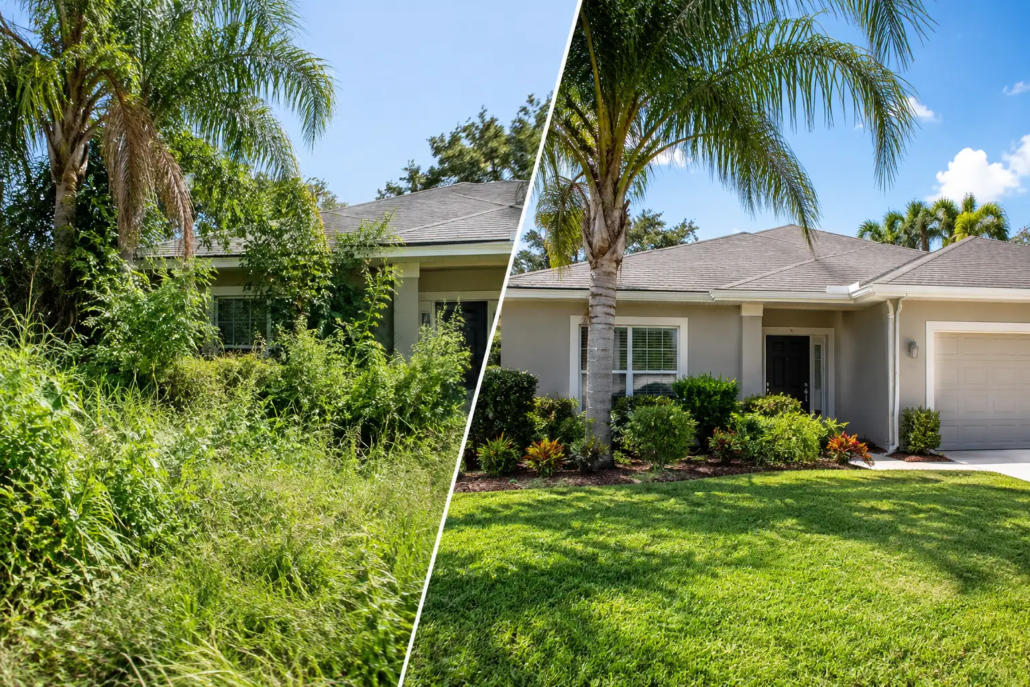
Overgrown Yard Restoration for Florida Homes
A yard can get away from you fast in Northeast Florida. One wet season, a broken irrigation zone, a busy stretch at work, or an empty rental property can turn manageable landscaping into tall grass, tangled hedges, weeds, and beds that have disappeared under debris. Professional overgrown yard restoration is not just a heavy mowing visit. It is a practical plan to make the property clean, safe, healthy, and manageable again.
For homeowners in St. Augustine, Jacksonville, and nearby communities, the right approach accounts for Florida heat, sandy soil, fast-growing vegetation, and the condition of the lawn underneath the mess. The goal is not to cut everything as short as possible in one afternoon. The goal is to restore the yard without creating new problems that cost more to fix later.
What Overgrown Yard Restoration Actually Includes
Every property starts in a different place. Some yards need a reset after a missed season of maintenance. Others have been neglected for months, have overgrown shrubs blocking windows, or have weeds and vines spreading through landscape beds. A proper restoration begins with a full evaluation of the lawn, plants, irrigation, drainage, and hard surfaces.
The first visit often includes mowing down overgrown grass in stages, edging sidewalks and driveways, trimming hedges and low branches, removing loose debris, and reclaiming bed lines. Once the property is accessible, it becomes much easier to see what needs attention: bare turf, compacted soil, failing sprinkler heads, invasive weeds, dead shrubs, or mulch that has washed away.
This is why a one-size-fits-all cleanup rarely delivers lasting results. A yard with St. Augustine grass needs different care than one with Bahia grass or Zoysia. A shaded lot under mature oaks needs a different plan than a sunny coastal property with irrigation restrictions. Local conditions matter at every step.
Start With Cleanup, But Do Not Stop There
A dramatic first cleanup makes an immediate difference in curb appeal. It also helps reveal potential safety and maintenance concerns. Tall grass can hide uneven ground, sprinkler heads, landscape borders, fallen branches, and pest activity. Thick growth around the home can reduce airflow and make routine exterior maintenance more difficult.
Still, cutting an overgrown lawn too low can stress grass that is already struggling. In Florida, scalping turf exposes soil to heat, encourages weeds, and can leave the lawn thin for weeks. The better approach is to reduce height carefully, remove the excess clippings, and schedule follow-up mowing at the right height for the grass type and season.
Shrubs deserve the same measured approach. Hedges that have grown over walkways, windows, or driveways need shaping, but aggressive cuts into old wood may leave thin, bare sections. Selective trimming can restore the plant’s form while preserving enough healthy growth for recovery. If a shrub is diseased, damaged, or simply planted in the wrong place, replacement may be the smarter long-term investment.
Reclaiming Landscape Beds
Overgrown beds often look like a weed problem, but the real issue is usually a combination of exhausted mulch, edging that has vanished, and plants competing for space. Restoration can include hand removal of unwanted growth, redefining bed lines, pruning healthy ornamental plants, and installing fresh mulch.
Mulch does more than make a yard look finished. It helps hold moisture in the soil, moderates soil temperature, and gives beds a clean, intentional appearance. The key is using an appropriate depth and keeping mulch away from tree trunks and plant stems. Piling it too high can trap moisture where it does not belong.
Check Irrigation Before Replanting or Fertilizing
An overgrown yard often has a hidden irrigation issue. A sprinkler zone may not be running, heads may be buried by grass, or broken components may be wasting water while leaving parts of the lawn dry. Cleaning up the yard before checking irrigation can make the system easier to inspect, but repairing the system should happen before major lawn treatments or new plantings.
A working irrigation system does not mean watering every day. Too much water can be just as harmful as too little, especially in humid Florida weather. The right schedule depends on rainfall, grass type, soil conditions, sun exposure, and local watering rules. Proper coverage matters too. Water should reach the root zone evenly instead of flooding one area and missing another.
If sections of the lawn remain thin after the cleanup, irrigation performance may be part of the answer. It could also be shade, soil compaction, insect damage, disease, or foot traffic. Identifying the cause first prevents money from being spent on treatments that will not solve the problem.
Restore the Lawn From the Ground Up
Once the lawn is cut back and the irrigation is operating correctly, it is time to assess turf health. Some lawns recover quickly with consistent mowing, weed control, and correct watering. Others need help rebuilding density and root strength.
Aeration may be useful where soil has become compacted from traffic, construction, or years of limited lawn care. It allows air, water, and nutrients to move more effectively into the soil. However, aeration is not necessary for every Florida lawn, and the timing should match the grass type and growing season.
Weed control should also be targeted. Spraying every visible weed without considering the lawn’s condition can stress desirable turf, particularly during heat or drought. A customized treatment plan addresses the weeds present while supporting the grass you want to keep. In areas where turf cannot thrive because of deep shade or poor drainage, adjusting the landscape design may be more effective than repeatedly trying to force grass to grow.
Know When to Remove and Replace
Not every part of an overgrown landscape is worth saving. A severely damaged hedge, a dead palm, broken landscape borders, or a bed full of invasive growth may need removal before the area can be redesigned. That can feel like a bigger project upfront, but it may reduce maintenance and improve the property’s appearance for years.
Replacement choices should fit the site. Plants that tolerate Northeast Florida sun, rain, and seasonal cold snaps generally require less intervention than plants selected only for a quick visual effect. The same principle applies to hardscape improvements. A refreshed walkway edge, clean patio, or defined planting border can make the restored yard easier to use and maintain.
Make the Restored Yard Easy to Maintain
The best restoration plan includes what happens next. Without recurring mowing, edging, hedge trimming, and seasonal bed care, even a beautifully cleaned property can become overgrown again. Maintenance is what protects the investment made during the reset.
For many homeowners, a routine service schedule is simpler than trying to catch up after vegetation has grown out of control. Regular care keeps grass at a healthy height, prevents hedges from swallowing pathways, catches irrigation concerns early, and keeps the property looking cared for through Florida’s fast-growing months.
American Blade Lawn Care can build a service plan around the condition of your property, your grass type, and the results you want to see. Whether the priority is reclaiming a backyard, improving curb appeal before listing a home, or getting a rental property back into shape, the work should be clear, timely, and built to last.
A neglected yard does not need to stay a source of stress. Start with an honest evaluation, address the conditions beneath the overgrowth, and choose a maintenance plan that gives your outdoor space a real chance to stay healthy and welcoming.

Leave a Reply
Want to join the discussion?Feel free to contribute!