
Water Saving Irrigation Trends for Florida Lawns
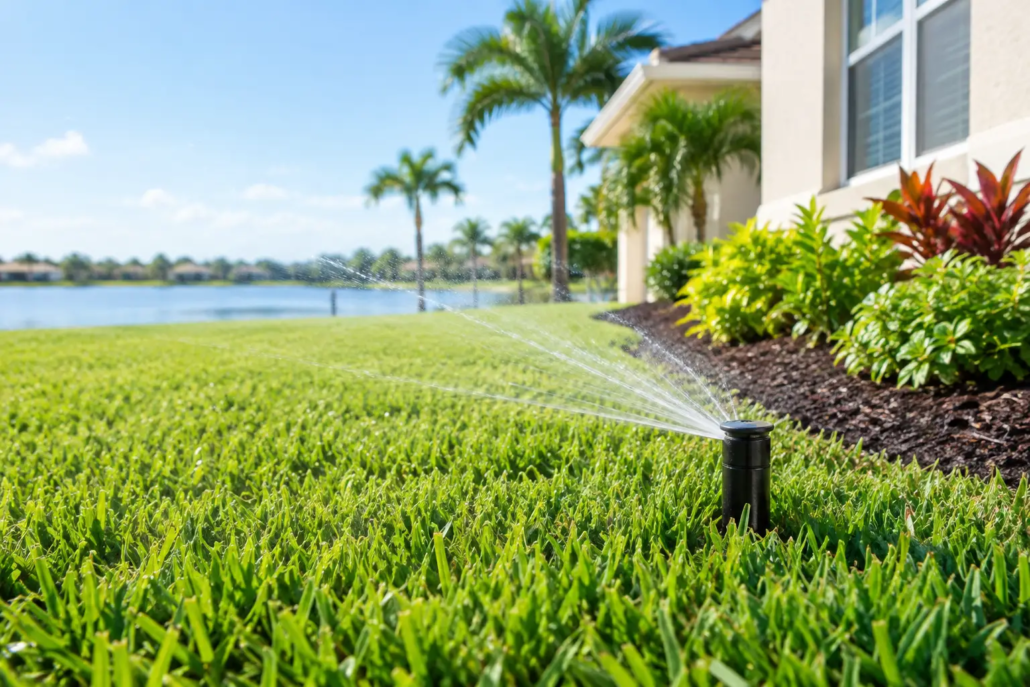
A sprinkler head spraying the driveway at 2 p.m. is not just a small annoyance – it is water your lawn never receives and money that does not need to leave your pocket. The most useful water saving irrigation trends are not about watering a Florida lawn less at all costs. They are about putting the right amount of water in the root zone, at the right time, with far less waste.
For homeowners in St. Augustine, Jacksonville, and nearby communities, that matters because our landscapes work through heavy rain, humid heat, sandy soil, wind, and long stretches when a lawn can dry quickly. A system that was installed years ago may still turn on every week, yet it may no longer match the needs of the turf, plant beds, or local watering rules. Smart updates can protect curb appeal while making irrigation more dependable and easier to manage.
Water Saving Irrigation Trends That Work Here
The biggest shift in irrigation is away from fixed schedules and toward systems that respond to actual conditions. A conventional controller follows the same program whether the yard has received two inches of rain or has gone through a hot, dry week. That approach is simple, but it often leads to runoff, shallow roots, fungus pressure, and stressed areas that are watered incorrectly.
Modern water-saving equipment gives homeowners better control without asking them to become irrigation experts. The goal is not a complicated collection of gadgets. It is a properly designed system where the controller, sensors, zones, sprinkler heads, and landscape all work together.
Smart Controllers Adjust to Weather
Smart irrigation controllers are one of the most practical upgrades for an established lawn. These controllers can use local weather data, seasonal patterns, and programming adjustments to avoid running a full schedule when rain has already supplied enough moisture. Many can be managed from a phone, which is helpful for homeowners who travel or manage a rental property.
Still, a smart controller is only as good as the system connected to it. If one zone has broken heads, poor coverage, or excessive pressure, a new controller cannot solve the underlying problem. It may reduce unnecessary cycles, but it will not fix water spraying the street or leaving dry strips along the edge of the lawn.
For Northeast Florida properties, the best setup usually starts with an irrigation inspection. Different zones may need different run times depending on whether they serve St. Augustine grass, ornamental beds, newly planted shrubs, or areas with afternoon shade. A one-size-fits-all schedule rarely produces the best result.
Rain and Soil-Moisture Sensors Prevent Guesswork
Rain sensors have become a basic part of responsible irrigation, and for good reason. They can pause scheduled watering after enough rainfall has occurred. In a region where summer storms can arrive quickly and often, that simple pause can prevent a great deal of unnecessary watering.
Soil-moisture sensors take the idea a step further. Rather than responding only to rainfall, they measure conditions in the soil and help determine whether plants actually need water. This can be especially valuable in yards with sandy soil, where water can move through the root zone quickly, or in shaded sections that stay damp longer than sunny areas.
There is a trade-off. Soil sensors need correct placement and occasional attention. A sensor installed too close to a sprinkler head, too shallow in the soil, or in an unrepresentative area can give misleading readings. For many homeowners, a rain sensor paired with well-programmed zones delivers an excellent balance of savings, simplicity, and performance.
Better Coverage Is Often the Biggest Water Saver
Homeowners often assume the answer to brown patches is more watering. In many cases, the real problem is uneven coverage. One sprinkler head may be tilted, clogged, blocked by turf, or mismatched with the head beside it. Adding more run time then overwaters one portion of the zone while the dry area still struggles.
A well-maintained irrigation system should distribute water evenly from one head to the next. Sprinkler heads should be positioned to cover the intended lawn or bed, not fences, sidewalks, siding, and vehicles. Nozzles also need to match the zone. Mixing high-flow and low-flow heads can create uneven results even when everything appears to be operating.
Pressure regulation is another trend with real value. Excessively high pressure can create a fine mist that blows away in the wind instead of soaking into the soil. It can also wear down components and cause water to pool or run off. Proper pressure helps each head deliver water in the pattern it was designed to produce.
An irrigation repair visit can uncover small issues that are easy to miss from the patio: leaking valves, damaged drip lines, cracked risers, buried heads, or zones that fail to shut off completely. These issues waste water gradually, often without creating a dramatic puddle or obvious warning sign.
Drip Irrigation Is Growing Beyond Garden Beds
Drip irrigation delivers water slowly near the base of a plant instead of spraying it into the air. It has long been a strong choice for flower beds, vegetable gardens, hedges, and container areas. More homeowners are using it around foundation plantings and landscape beds because it keeps water off foliage, reduces evaporation, and helps limit weeds between plants.
Drip is not automatically the right choice for every part of a property. Healthy turf needs broad, even coverage across the grass, so properly designed sprinkler zones are generally better for lawns. But using spray heads in mulch beds is often inefficient. Water can hit leaves, hardscape, or open mulch rather than reaching plant roots.
A drip zone should include filtration, pressure regulation, and an accessible layout for service. When installed poorly, emitters can clog or lines can become damaged by edging, digging, or root growth. When installed correctly, drip irrigation gives shrubs and planting beds a more targeted drink with far less overspray.
Zone-by-Zone Scheduling Replaces One Long Watering Cycle
One of the most effective water-saving habits is dividing the landscape according to what it actually needs. Turf in full sun does not need the same schedule as a shaded side yard, a palm bed, or newly installed landscaping. Hydro-zoning – grouping plants with similar water needs on the same irrigation zone – is becoming a standard part of more thoughtful landscape design.
Cycle-and-soak scheduling is also gaining ground. Instead of running a spray zone for one long period that sends water down the slope or into the street, the controller runs shorter cycles with time between them. That pause allows water to soak into the soil before the next cycle begins. It can be particularly helpful where compacted soil, slopes, or heavy thatch cause runoff.
The exact schedule depends on rainfall, season, grass type, soil conditions, and the condition of the irrigation system. During rainy periods, a healthy lawn may need little supplemental water. During hotter, drier weather, it may need carefully timed irrigation to avoid stress. The point is to adjust based on conditions instead of leaving the same schedule in place all year.
Irrigation and Lawn Care Need to Work Together
Water conservation does not mean accepting thin, patchy grass. In fact, overwatering can weaken a lawn by encouraging shallow roots and creating favorable conditions for certain weeds and diseases. A healthy lawn is better able to tolerate normal weather changes when mowing height, fertilization, weed control, aeration, and irrigation are aligned.
For example, a lawn that has developed compacted soil may shed water before it can reach the roots. Aeration can improve how water enters the soil, making irrigation more effective. Fresh mulch in landscape beds can reduce moisture loss around plants, which may allow drip zones to run less often. These are practical improvements that support both the appearance of the property and the efficiency of the system.
At American Blade Lawn Care, irrigation recommendations are based on what is happening in the yard, not on a generic timer setting. A professional evaluation can identify whether a homeowner needs a controller upgrade, a sensor, a repair, improved zone coverage, or simply a better seasonal program.
When an Upgrade Makes Sense
An irrigation upgrade is worth considering when the system regularly waters after rain, creates puddles, leaves repeated dry spots, sprays hardscape, or requires frequent manual adjustments. It also makes sense after a landscape redesign. New beds, removed trees, added hardscape, or replacement turf can all change how water moves through the property.
The best next step is usually not replacing every component at once. Start with the problem that creates the most waste or threatens lawn health. A broken head or leaking valve deserves immediate attention. From there, a rain sensor, smart controller, drip conversion for beds, or zone adjustment can be planned around the property and budget.
A good irrigation system should be mostly invisible: the lawn stays healthy, the beds look cared for, and the water goes where it belongs. If your yard needs constant attention just to avoid dry spots or waste, a few targeted improvements can make outdoor care simpler while protecting the landscape you work hard to maintain.

Leave a Reply
Want to join the discussion?Feel free to contribute!