
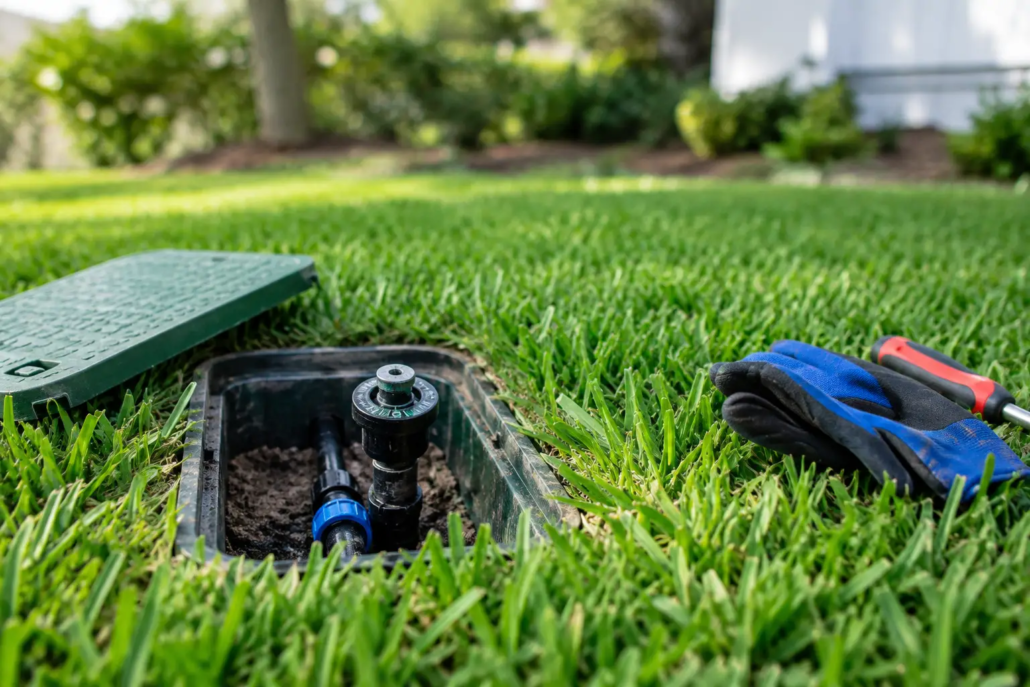
Irrigation Repair Case Study for a St. Augustine Lawn
A green lawn can start turning thin and uneven long before a homeowner notices a broken irrigation line. In this irrigation repair case study, a St. Augustine-area property had wet spots near the sidewalk, dry grass along the front beds, and sprinkler heads that seemed to run without doing much good. The problem was not simply a bad sprinkler head. It was a system-wide performance issue that needed a careful inspection, the right repairs, and a watering plan built for Northeast Florida conditions.
This is a representative example based on the kinds of irrigation problems local homeowners face after heavy rain, long hot stretches, routine mowing, and years of underground wear. Every property is different, but the process shows why a repair should look beyond the first visible symptom.
The Problem: Wet Pavement, Dry Grass, and Higher Water Use
The homeowner first noticed a puddle forming near the edge of the driveway several hours after the irrigation system finished running. At the same time, the St. Augustine grass in another part of the front yard was losing color and thinning near the curb. Those two symptoms can seem unrelated, but they often point to poor water distribution.
A quick fix might have been to replace the sprinkler head closest to the puddle. That could have improved one small area, but it would not have explained why the lawn was dry farther away. The homeowner also reported that the water bill had increased, which raised the possibility of a leak underground or a zone that was running longer than necessary.
Florida lawns deal with plenty of moisture, but rain alone does not guarantee even hydration. Sandy soil can drain quickly, especially in sunny areas. Grass near pavement also faces added heat stress. When irrigation coverage is uneven, one section can be overwatered while another struggles, creating conditions for weak turf, weed growth, runoff, and wasted water.
Irrigation Repair Case Study: Finding the Real Cause
The first step was to run each irrigation zone and watch the system operate. A proper inspection is not just a walk around the yard. It means checking where water lands, how far each head throws, whether heads rise fully, and whether pressure changes from one part of the zone to another.
In this case, the inspection identified several contributing issues. A cracked lateral line beneath the turf was releasing water before it reached the far sprinkler heads. Two spray heads were partially blocked by grass and mulch buildup. One head near the driveway had been knocked out of alignment, sending water onto concrete instead of the lawn. The controller settings were also programmed for longer run times than the lawn needed at that point in the season.
None of these issues alone was dramatic. Together, they caused the homeowner’s frustrating mix of soggy ground, dry turf, and inefficient watering. That is why irrigation repair is rarely only about replacing a visible broken part. The full system has to work as a connected network.
Why pressure and coverage matter
When a line leaks, water pressure can drop in the rest of that zone. Sprinkler heads farther from the leak may still pop up and spray, but they may not throw water far enough to overlap properly. The lawn can look watered at a glance while certain areas receive far less water than they need.
Coverage overlap matters because sprinkler patterns are not perfectly uniform. One head is designed to support the next. If a head is clogged, tilted, sunken, or underpowered, the area between sprinklers can miss out. In St. Augustine, those dry gaps often show up as fading color, thinning blades, or patchy turf before the rest of the lawn looks stressed.
The Repair Plan
The repair started with locating and exposing the damaged section of lateral line. The cracked pipe was removed, and a new section was installed with properly fitted connections. The repaired area was then pressure-tested before the trench was backfilled. Skipping that test can turn a small repair into a repeat visit if another weak connection is missed.
Next, the affected sprinkler heads were cleaned, raised to the correct height, and adjusted for better direction. Heads should sit high enough to clear turf and mulch, but not so high that they are easily struck by mower equipment or become a tripping hazard. The driveway-adjacent head was turned away from the pavement to keep water on the grass where it belonged.
The controller was then reviewed with the actual lawn conditions in mind. The goal was not to water more. The goal was to water more effectively. Shorter, properly scheduled cycles can help reduce runoff and allow water to soak into the root zone, particularly where soil is compacted or slopes toward hard surfaces.
For this property, the final schedule was adjusted based on the grass type, sun exposure, recent rainfall, and the condition of the soil. A shaded side yard may need less water than a sunny front lawn. A newly repaired zone may also need a follow-up adjustment after the homeowner sees how the lawn responds over the next few weeks.
The Results: Better Coverage Without Overwatering
After the repair and adjustments, water reached the dry sections of turf more consistently, while the puddling near the driveway stopped. The lawn did not become perfect overnight. Grass needs time to recover, especially when it has been under-watered or stressed by heat. But the homeowner could see a more even watering pattern immediately during the test cycle.
Over the following weeks, the thin areas had a better chance to regain color and density because they were finally receiving the moisture they had been missing. The repaired system also reduced waste from the underground leak and eliminated overspray onto the driveway.
That result is the real value of professional irrigation repair. It is not just about making water come out of a sprinkler head. It is about protecting the lawn, avoiding unnecessary water use, and making sure the system supports the appearance and health of the property.
What Homeowners Can Watch For
Irrigation problems are easier and less expensive to address when caught early. A lawn does not have to be brown before a system needs attention. Homeowners should keep an eye out for warning signs that often point to leaks, poor coverage, or sprinkler damage:
- Soft, muddy spots that stay wet after the system shuts off
- Water spraying onto pavement, fences, or the side of the home
- Sprinkler heads that do not rise, rotate, or spray evenly
- Dry patches that continue despite regular watering
- Sudden increases in water use without a clear reason
- Grass or mulch growing over sprinkler heads
A monthly visual check can help, but running every zone while someone watches is even better. Irrigation systems are often programmed to operate early in the morning, which means many homeowners never see a problem until the lawn starts showing damage.
When a Simple Repair Is Enough – and When It Is Not
Some irrigation repairs are straightforward. A broken nozzle, a clogged filter, or a misaligned head can often be corrected quickly. Other situations need a broader look. Repeated leaks, low pressure across multiple zones, outdated controller settings, poor spacing, or frequent damage from roots and lawn equipment may indicate a larger system design or maintenance issue.
It depends on the age of the system, the condition of the piping, how the landscape has changed, and whether the current sprinkler layout still fits the property. A yard with new planting beds, added hardscape, mature hedges, or a changed lawn area may no longer be served well by its original irrigation pattern.
At American Blade Lawn Care, irrigation repair is approached with the rest of the landscape in mind. Lawn health, mulch beds, mowing patterns, drainage, and sprinkler coverage all affect one another. A repair that considers the whole property can prevent the same issue from returning a few weeks later.
If your lawn has wet spots, weak grass, runoff, or sprinklers that are not covering the yard evenly, do not wait for the damage to spread. A careful inspection can identify what is happening below the surface and help put your lawn back on a healthier path.


Leave a Reply
Want to join the discussion?Feel free to contribute!